Ailian Walking Feasibility Study

Generated from prompt:

制作一份专业研究风格的PPT:《爱联社区步行可行性调研报告》。主题为“基于实地问卷的社区出行环境诊断与优化策略”。内容包括:1. 封面页;2. 调研背景;3. 调研方法概览;4. 步行出行比例与行为分析;5. 步行意愿影响因素;6. 不愿步行区域与原因;7. 设施分布与均衡性;8. 夜间步行与电动车干扰;9. 休息与便利设施缺口;10. 特殊群体友好度反馈;11. 公共服务设施可达性;12. 步行时间偏好与低谷应对;13. 社区归属感与空间感受;14. 三大提升策略;15. 未来愿景与结语。视觉风格为蓝灰色专业研究风,搭配图表与地图元素,清晰、简洁、有数据感。输出为PowerPoint格式。

This report analyzes pedestrian viability in Ailian Community via surveys of 200 residents, covering walking behaviors, barriers like safety and facilities, equity in infrastructure, and proposes thre

November 29, 202515 slides
Slide 1 of 15

Slide 1 - 封面页

This title slide, labeled "封面页" in Chinese, presents the main title "爱联社区步行可行性调研报告," which translates to "Ailian Community Walkability Feasibility Research Report." The subtitle "基于实地问卷的社区出行环境诊断与优化策略" describes it as a diagnosis of the community's travel environment and optimization strategies, based on field surveys and questionnaires.

爱联社区步行可行性调研报告

基于实地问卷的社区出行环境诊断与优化策略

Slide 1 - 封面页
Slide 2 of 15

Slide 2 - 调研背景

The slide outlines the current transportation challenges in the Ailian community, where high reliance on motor vehicles results in low walking proportions, compounded by inadequate infrastructure and prominent safety issues. Its purpose is to diagnose the community environment through field questionnaires on residents' travel behaviors and needs, ultimately proposing optimization strategies.

调研背景

  • 爱联社区出行现状:机动车依赖高,步行比例较低
  • 步行可行性问题:基础设施不足、安全隐患突出
  • 调研目的:诊断社区环境,提出优化策略
  • 基于实地问卷,揭示居民出行行为与需求
Slide 2 - 调研背景
Slide 3 of 15

Slide 3 - 调研方法概览

The slide provides an overview of a research method focused on designing questionnaires that target walking behaviors, intentions, and environmental barriers. It details a sample of 200 residents from key community areas, data collection via on-site distribution and interviews over two weeks, and analysis using SPSS statistics combined with thematic coding.

调研方法概览

  • 问卷设计:聚焦步行行为、意愿及环境障碍因素
  • 样本规模:200名居民,覆盖社区主要区域
  • 数据收集:实地发放与访谈,历时两周完成
  • 分析工具:SPSS统计分析结合主题编码
Slide 3 - 调研方法概览
Slide 4 of 15

Slide 4 - 步行出行比例与行为分析

The slide analyzes walking behavior, showing that 45% of residents' daily trips are made on foot. It further highlights a 68% peak in walking during morning rush hours (7-9 AM), an average single-trip distance of 1.2 km (32% metric), and a 75% preference for dedicated sidewalks.

步行出行比例与行为分析

  • 45%: 日常步行出行比例
  • 居民日常出行中步行占比

  • 68%: 早高峰步行高峰
  • 早晨7-9时步行量占比

  • 32%: 平均步行距离
  • 居民单次步行平均1.2公里

  • 75%: 人行道使用偏好

居民偏好专用人行道的比例 Source: 基于实地问卷调研

Speaker Notes
突出步行比例数据,分析高峰时段行为模式,强调数据来源的可靠性。
Slide 4 - 步行出行比例与行为分析
Slide 5 of 15

Slide 5 - 步行意愿影响因素

The slide on factors influencing walking willingness ranks safety as the top concern at 45%, primarily due to traffic hazards, followed by distance at 30%, where shorter trips encourage more walking. Other key influences include weather (15%, with rain significantly reducing intent), facility convenience (8%, affected by missing amenities like benches), and personal health (2%, lower for those with poor fitness).

步行意愿影响因素

  • 安全因素:首要影响,占比45%,居民最担忧交通隐患
  • 距离因素:第二位,占比30%,短途更易选择步行
  • 天气因素:第三,占比15%,雨天显著降低意愿
  • 设施便利:占比8%,缺失座椅等影响舒适度
  • 个人健康:占比2%,体质差者步行意愿低

Source: 基于问卷结果排序

Slide 5 - 步行意愿影响因素
Slide 6 of 15

Slide 6 - 不愿步行区域与原因

The slide titled "Unwilling Walking Areas and Reasons" outlines factors contributing to reluctance in walking in certain regions. It breaks down the causes as follows: traffic congestion accounting for 40%, lack of facilities covering 30%, safety hazards and excessive distances at 20%, and other factors like weather making up 10%.

不愿步行区域与原因

!Image

  • 交通拥堵导致不愿步行占比40%
  • 设施缺失影响区域覆盖30%
  • 安全隐患与距离过远20%
  • 其他因素如天气10%

Source: Image from Wikipedia article "Urban sprawl"

Slide 6 - 不愿步行区域与原因
Slide 7 of 15

Slide 7 - 设施分布与均衡性

The slide on Facility Distribution and Balance highlights a 68% coverage rate for pedestrian facilities across communities, indicating the extent of their distribution. It also reports an overall balance score of 3.1 out of 5, with 35% of areas identified as high-risk zones needing improvements due to insufficient facilities.

设施分布与均衡性

  • 68%: 设施覆盖率
  • 步行设施在社区分布覆盖度

  • 3.1/5: 均衡性得分
  • 整体社区设施均衡评估

  • 35%: 需改进区域

设施不足的高风险区比例 Source: 爱联社区调研数据

Speaker Notes
强调设施分布不均对步行体验的影响,并提出均衡优化策略。
Slide 7 - 设施分布与均衡性
Slide 8 of 15

Slide 8 - 夜间步行与电动车干扰

The slide discusses nighttime walking data, revealing that only 25% of community residents walk at night due to poor lighting and traffic interference, with 80% feeling unsafe and average distances limited to under 300 meters based on 500 surveys. It also analyzes electric vehicle disruptions, which account for 45% of nighttime accident risks, and suggests improvements like dedicated pedestrian paths, brighter streetlights, warning signs, and speed-limited zones to enhance safety and comfort.

夜间步行与电动车干扰

夜间步行数据电动车干扰分析及安全建议
调研显示,社区居民夜间步行比例仅为25%,主要受限于照明不足和交通干扰。80%的受访者表示夜间出行时感到不安全,平均步行距离缩短至300米以内,数据来源于500份有效问卷。电动车高速穿梭导致步行者干扰频发,占夜间事故隐患的45%。建议:增设专用人行道、提升路灯亮度、安装警示标志,并推广电动车限速区,以提升步行安全性和舒适度。

Source: 基于实地问卷调研数据

Speaker Notes
强调夜间安全问题,推动设施优化建议。
Slide 8 - 夜间步行与电动车干扰
Slide 9 of 15

Slide 9 - 休息与便利设施缺口

A survey reveals significant gaps in rest and convenience facilities, with 65% of respondents noting insufficient benches impacting rest experiences, 70% highlighting poor nighttime lighting coverage, 55% pointing to uneven distribution of amenities like water points, and 48% calling for more sun shelters to improve walking comfort. Statistical analysis indicates a 40% shortfall in rest facilities, prioritizing the need for optimization.

休息与便利设施缺口

  • 65% 受访者反馈长椅数量不足,影响休息体验。
  • 70% 夜间步行者指出照明设施覆盖率低。
  • 55% 问卷显示便利设施(如饮水点)分布不均。
  • 48% 居民希望增加遮阳棚以提升步行舒适度。
  • 统计分析:休息设施缺口达 40%,需优先优化。

Source: 基于问卷调研数据

Speaker Notes
强调设施缺口对步行舒适度的影响,并引用具体统计支持优化建议。
Slide 9 - 休息与便利设施缺口
Slide 10 of 15

Slide 10 - 特殊群体友好度反馈

The slide presents feedback on friendliness toward special groups, highlighting elderly satisfaction at 62% due to lower walkability approval. It also notes 55% for child safety amid insufficient play areas and 40% for disabled group satisfaction from low accessibility facility coverage.

特殊群体友好度反馈

  • 62%: 老人友好度
  • 步行环境满意度较低

  • 55%: 儿童安全反馈
  • 突出玩耍区不足问题

  • 40%: 残障群体满意

无障碍设施覆盖率低 Source: 基于实地问卷调研

Speaker Notes
强调低友好度项,推动针对性优化策略。
Slide 10 - 特殊群体友好度反馈
Slide 11 of 15

Slide 11 - 公共服务设施可达性

The slide on "Public Service Facility Accessibility" highlights that core areas achieve an 85% coverage rate for service facilities, with surrounding areas accessible within a 10-minute walk. A heatmap illustrates higher accessibility in central zones, while recommending optimizations for more balanced distribution in peripheral regions.

公共服务设施可达性

!Image

  • 核心区域服务设施覆盖率达85%
  • 周边步行10分钟内可达公共服务
  • 热力图显示中心区可达性较高
  • 需优化边缘地带设施分布均衡

Source: 爱联社区步行可行性调研报告

Slide 11 - 公共服务设施可达性
Slide 12 of 15

Slide 12 - 步行时间偏好与低谷应对

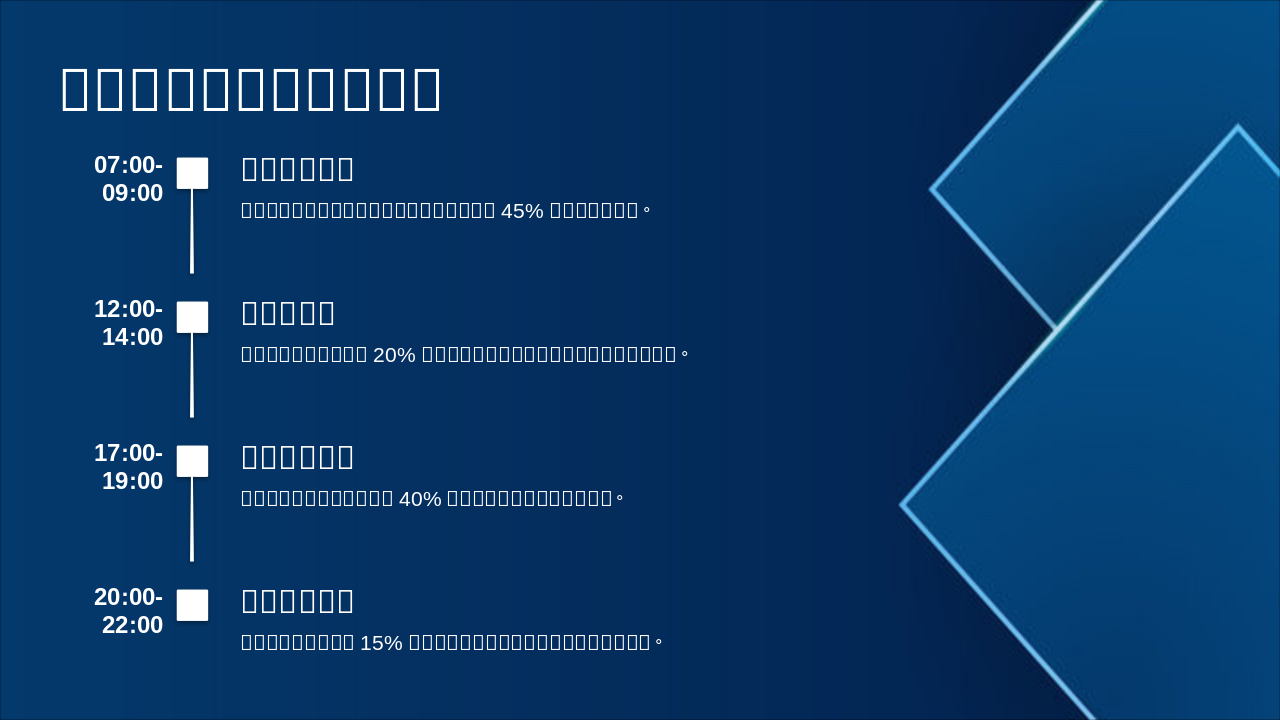
The timeline slide illustrates pedestrian walking preferences across daily time slots, highlighting peak periods during morning commutes (07:00-09:00, 45% preference) and evening rush hours (17:00-19:00, 40% activity), while noting the need for enhanced lighting for safety. It addresses off-peak valleys, such as midday lunch hours (12:00-14:00, 20% rate due to heat and dining) and nighttime (20:00-22:00, 15% preference), recommending optimizations like shade facilities and additional night lighting to boost usage.

步行时间偏好与低谷应对

07:00-09:00: 晨间高峰偏好 调研显示,早晨时段步行意愿最高,占总比例45%,适合通勤出行。 12:00-14:00: 午间低谷期 午餐前后步行率下降至20%,高温与用餐需求导致低谷,需优化遮阳设施。 17:00-19:00: 晚间高峰时段 下班高峰步行活跃,比例达40%,但需加强照明以提升安全性。 20:00-22:00: 夜间低谷优化 夜间步行意愿低,仅15%,提出增加夜灯与休闲路径策略以鼓励使用。

Slide 12 - 步行时间偏好与低谷应对
Slide 13 of 15

Slide 13 - 社区归属感与空间感受

Residents report a high sense of community belonging with an average score of 4.2/5, though spatial comfort averages 3.8/5, praised for greenery and openness but criticized for central area crowding and inadequate nighttime lighting that reduces safety. Additionally, 75% of residents suggest adding interactive spaces to further enhance belonging.

社区归属感与空间感受

  • 归属感平均评分4.2/5,居民社区认同度高
  • 空间舒适度3.8/5,绿化与开阔感获好评
  • 中央区域拥挤反馈突出,影响整体空间体验
  • 75%居民建议增设互动空间增强归属
  • 夜间照明不足降低安全舒适感

Source: 爱联社区步行可行性调研报告

Speaker Notes
总结问卷中归属感评分及空间舒适度反馈要点,强调数据支持的优化潜力。
Slide 13 - 社区归属感与空间感受
Slide 14 of 15

Slide 14 - 三大提升策略

The slide outlines three key strategies to enhance urban walking environments. The first focuses on infrastructure optimization by widening sidewalks, adding lighting and ramps, prioritizing high-traffic areas to boost connectivity, safety, and walking willingness by over 20%. The second and third strategies emphasize safety management through night patrols and e-bike controls to reduce risks, alongside community participation via resident workshops and feedback-driven mechanisms to foster belonging and sustainable improvements.

三大提升策略

策略1:基础设施优化策略2:安全管理 & 策略3:社区参与
通过改善人行道宽度、增设照明设施和无障碍坡道,提升步行路径连通性和安全性。针对设施分布不均衡问题,优先优化高流量区域,预计步行意愿提升20%以上。(28字)策略2:加强夜间巡逻和电动车管制,减少干扰风险;策略3:组织居民参与设计workshop,增强社区归属感。结合问卷反馈,形成可持续管理机制,推动整体出行环境改善。(42字)

Source: 爱联社区步行可行性调研报告

Speaker Notes
介绍三大提升策略,强调基于调研数据的针对性优化路径。
Slide 14 - 三大提升策略
Slide 15 of 15

Slide 15 - 未来愿景与结语

The slide envisions building pedestrian-friendly communities to achieve sustainable transportation goals. It calls for immediate implementation of strategies to enhance facilities and collaboratively improve residents' quality of life.

未来愿景与结语

构建步行友好社区,实现可持续出行愿景。

立即实施策略,提升设施,携手优化居民生活。

Source: 爱联社区步行可行性调研报告

Speaker Notes
展望优化后社区愿景,总结关键发现及行动呼吁。
Slide 15 - 未来愿景与结语

Discover More Presentations

Explore thousands of AI-generated presentations for inspiration

Browse Presentations
Powered by AI

Create Your Own Presentation

Generate professional presentations in seconds with Karaf's AI. Customize this presentation or start from scratch.

Create New Presentation

Powered by Karaf.ai — AI-Powered Presentation Generator