Slide 1 of 7
Slide 1 - Online Learning vs. Classroom Learning
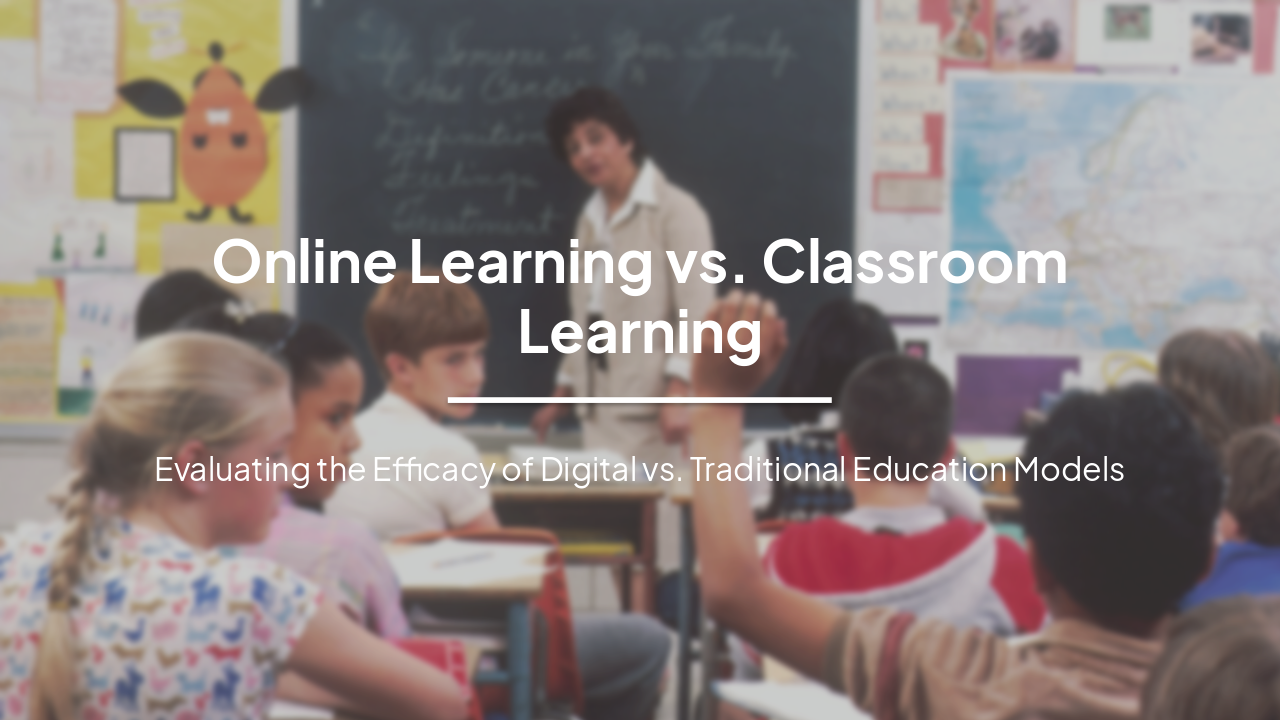
Online Learning vs. Classroom Learning
Evaluating the Efficacy of Digital vs. Traditional Education Models
---
Photo by National Cancer Institute on Unsplash
Generated from prompt:
Make a presentation about Is Online Learning Better Than Classroom Learning?
This deck compares online and traditional classroom learning, covering EdTech foundations, LMS infrastructure, active learning principles, technology-driven outcomes, and a future outlook for optimal student engagement.
Online Learning vs. Classroom Learning
Evaluating the Efficacy of Digital vs. Traditional Education Models
---
Photo by National Cancer Institute on Unsplash
---
Photo by Leone Venter on Unsplash
1
Defining the landscape of educational technology and LMS infrastructure.
---
Photo by Conny Schneider on Unsplash
Educational Technology (EdTech) EdTech integrates software, hardware, and pedagogical theory to facilitate learning. It draws on psychology, sociology, and AI to improve teaching outcomes across all environments.
Learning Management Systems (LMS) The LMS is the backbone of modern delivery, handling administration, tracking, and content. It supports synchronous and asynchronous modes, becoming essential during the pandemic.
2
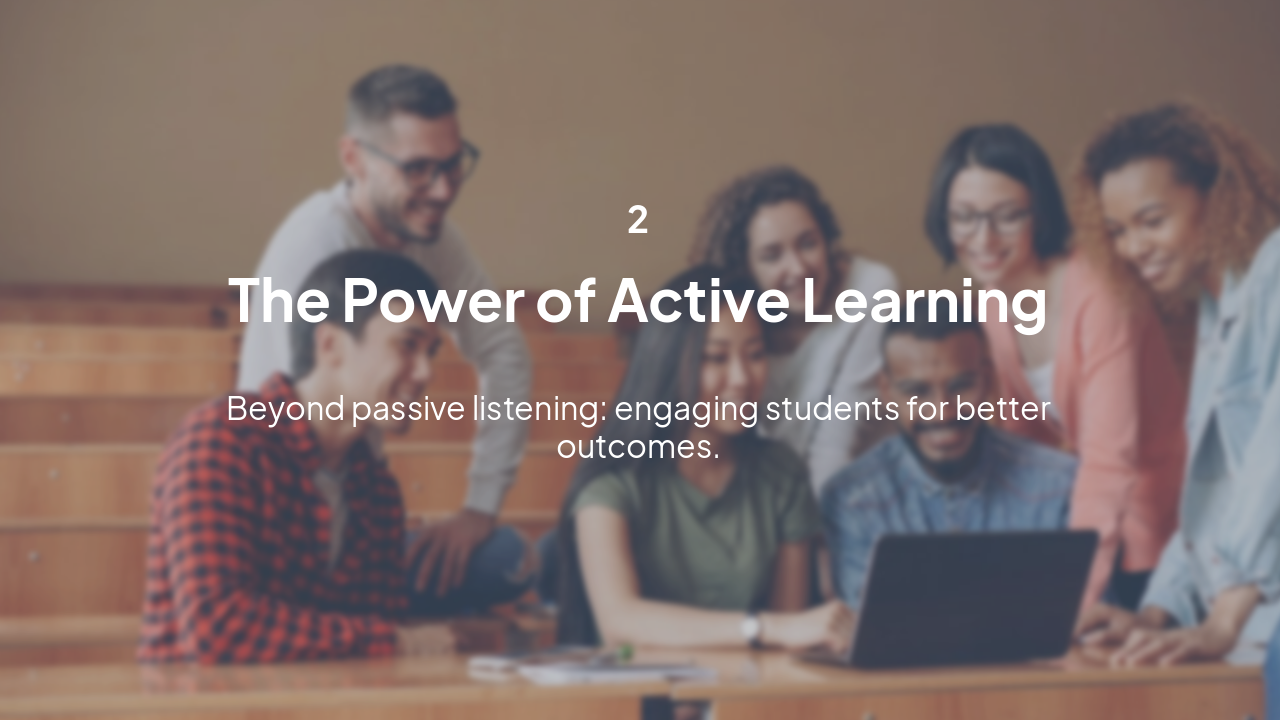
Beyond passive listening: engaging students for better outcomes.
---
Photo by Vitaly Gariev (https://unsplash.com/@silverkblack?utmsource=karaf&utmmedium=referral) on Unsplash (https://unsplash.com/?utmsource=karaf&utmmedium=referral)
Integrating Modalities for Success
Key Takeaway: The best method is one that keeps students actively involved, whether in a physical or digital space. Both modalities offer unique advantages through technology and pedagogy.
---
Photo by Declan Sun on Unsplash
Explore thousands of AI-generated presentations for inspiration
Generate professional presentations in seconds with Karaf's AI. Customize this presentation or start from scratch.