Slide 1 of 16
Slide 1 - Presentation
Effects of Gluten-Free Diet Intervention in the Treatment of Hashimoto’s Thyroiditis in Non-Celiac Disease
Systematic Review Protocol | Published in Endocrine Regulations, 2025
Generated from prompt:
Create a professional academic presentation based on the uploaded paper titled “Effects of gluten-free diet intervention in the treatment of Hashimoto’s thyroiditis in non-celiac disease: A systematic review protocol”. Slides outline: 1. Title Slide - Title of study - Authors - Journal (Endocrine Regulations, 2025) 2. Background - What is Hashimoto’s thyroiditis (HT) - Prevalence and impact 3. Problem Statement - Limitations of current treatments - Interest in dietary interventions 4. Gluten-Free Diet (GFD) - Definition - Why it’s being explored in HT 5. Research Gap - Conflicting evidence - Need for systematic review 6. Objective of Study - Main aim and specific objectives 7. Methods Overview - Study design (systematic review protocol) - Databases used 8. Eligibility Criteria (PICOS) - Population, Intervention, Comparator, Outcomes, Study type 9. Outcomes Measured - Hormones, antibodies, CRP, vitamin D, BMI, quality of life 10. Data Collection & Analysis - Screening process - Meta-analysis approach 11. Risk of Bias & Evidence Quality - Cochrane RoB2 - GRADE approach 12. Expected Contributions - Clinical relevance - Impact on patient care 13. Challenges & Limitations - Adherence to GFD - Study heterogeneity 14. Discussion Insights - Mechanisms linking gluten and HT 15. Conclusion - Importance of findings 16. References Slide - Key citations Design style: clean, medical/academic, minimal text per slide, use icons where appropriate.
Systematic review protocol assessing the efficacy of gluten-free diet (GFD) interventions in treating Hashimoto’s Thyroiditis in non-celiac patients. Covers background, research gaps, objectives, PICOS criteria, methods (PRISMA-compliant), quality
Effects of Gluten-Free Diet Intervention in the Treatment of Hashimoto’s Thyroiditis in Non-Celiac Disease
Systematic Review Protocol | Published in Endocrine Regulations, 2025
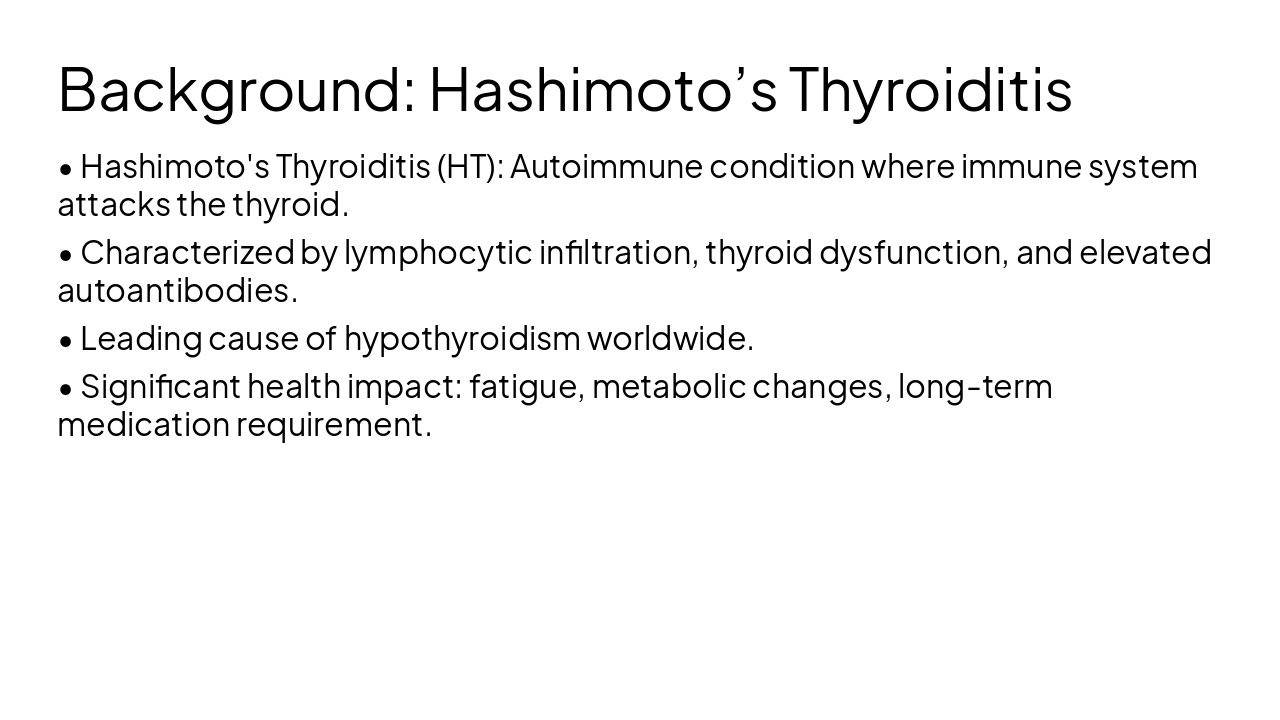
Current Limitations Standard care focuses primarily on synthetic hormone replacement (levothyroxine). It manages hormone levels but often fails to address the underlying autoimmune etiology or persistent symptoms.
Dietary Interest Increased patient and clinical interest in lifestyle and dietary interventions, specifically the role of inflammation-modulating diets in managing autoimmunity.
Generating slide...
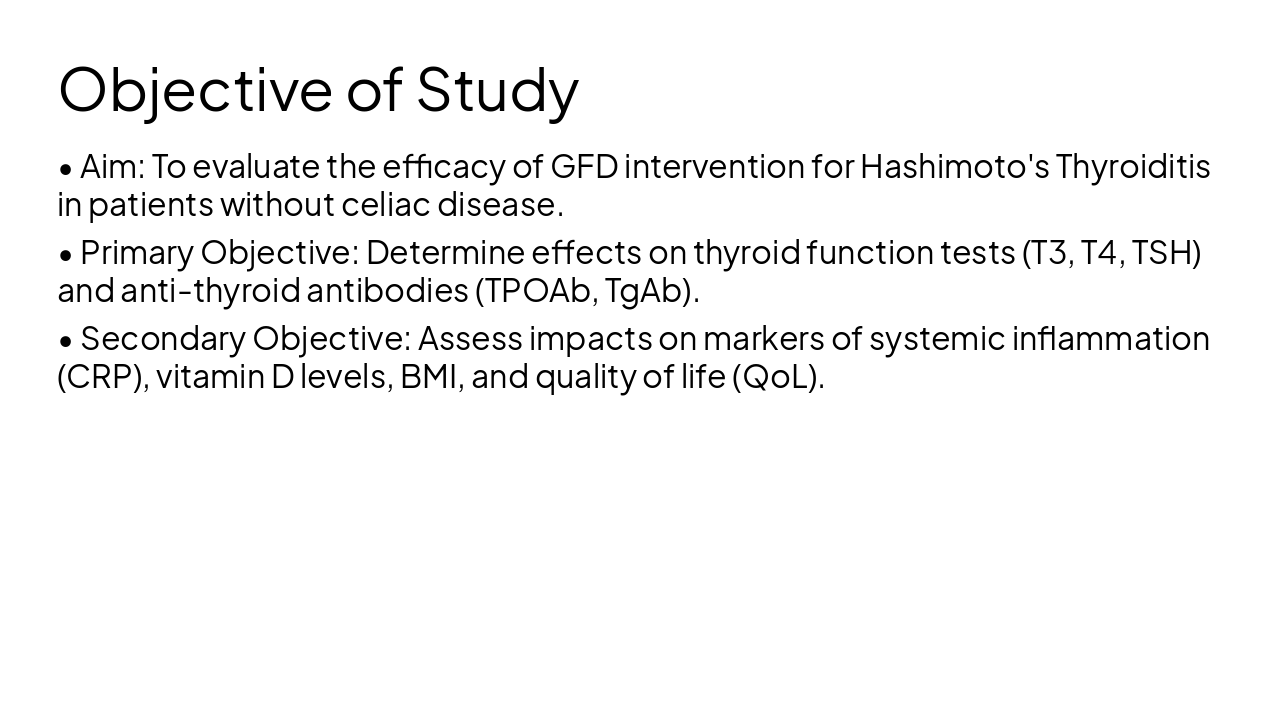
| Step 1 | Step 2 | Step 3 |
|---|---|---|
| Study Design: Systematic Review Protocol | Databases: PubMed, Embase, Cochrane Library, CINAHL, Scopus | Methodology: PRISMA-compliant reporting and data extraction |
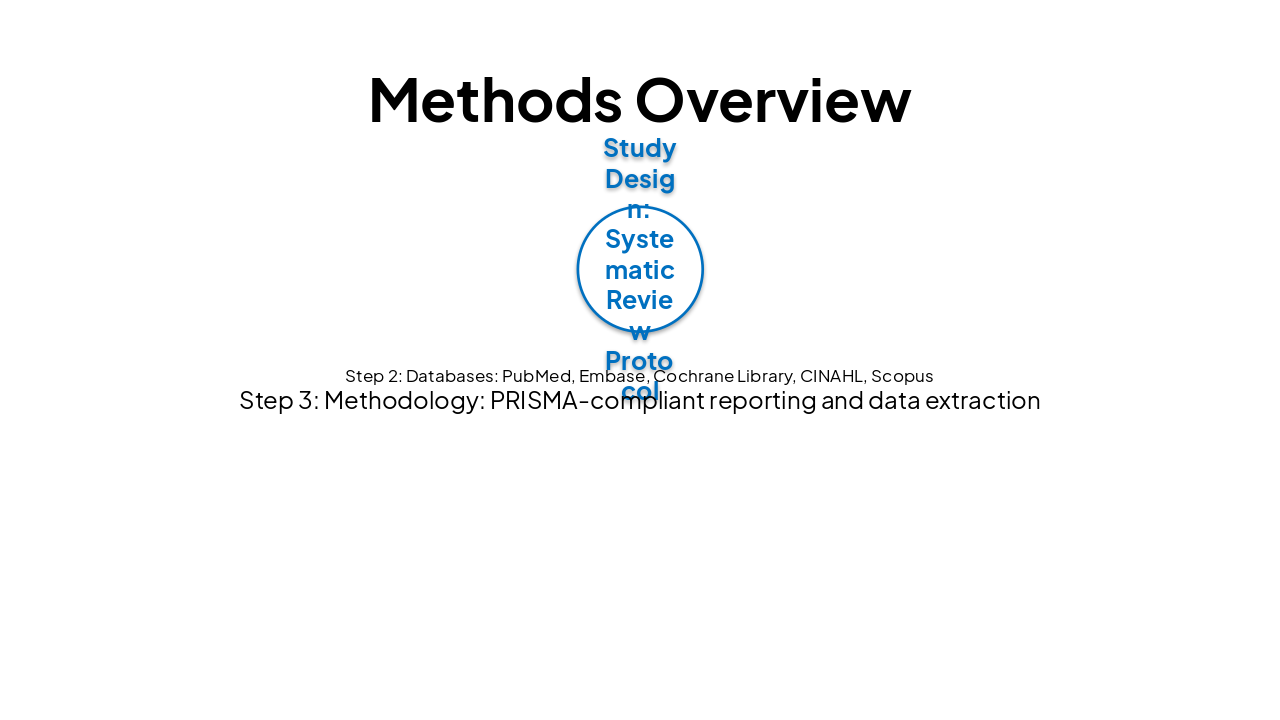
| Component | Criterion |
|---|---|
| Population | Adults with Hashimoto's Thyroiditis (no celiac disease) |
| Intervention | Strict Gluten-Free Diet (GFD) |
| Comparator | Standard/Gluten-containing diet or placebo diet |
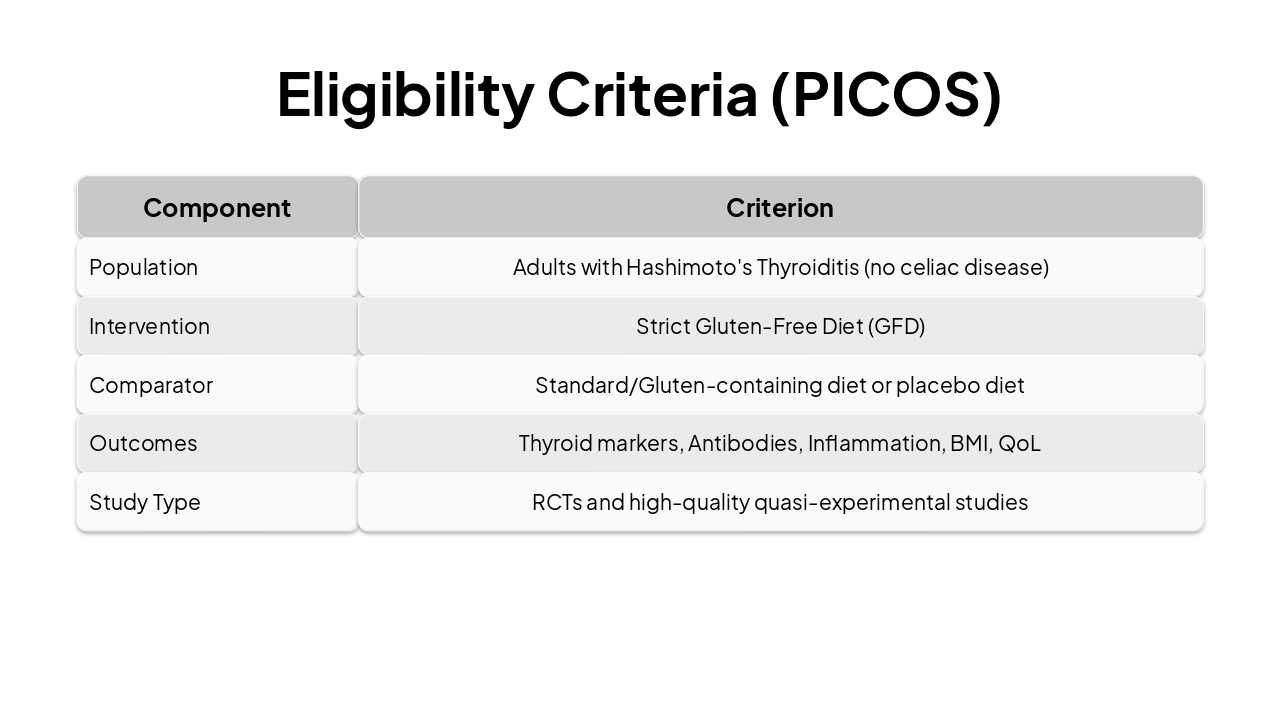
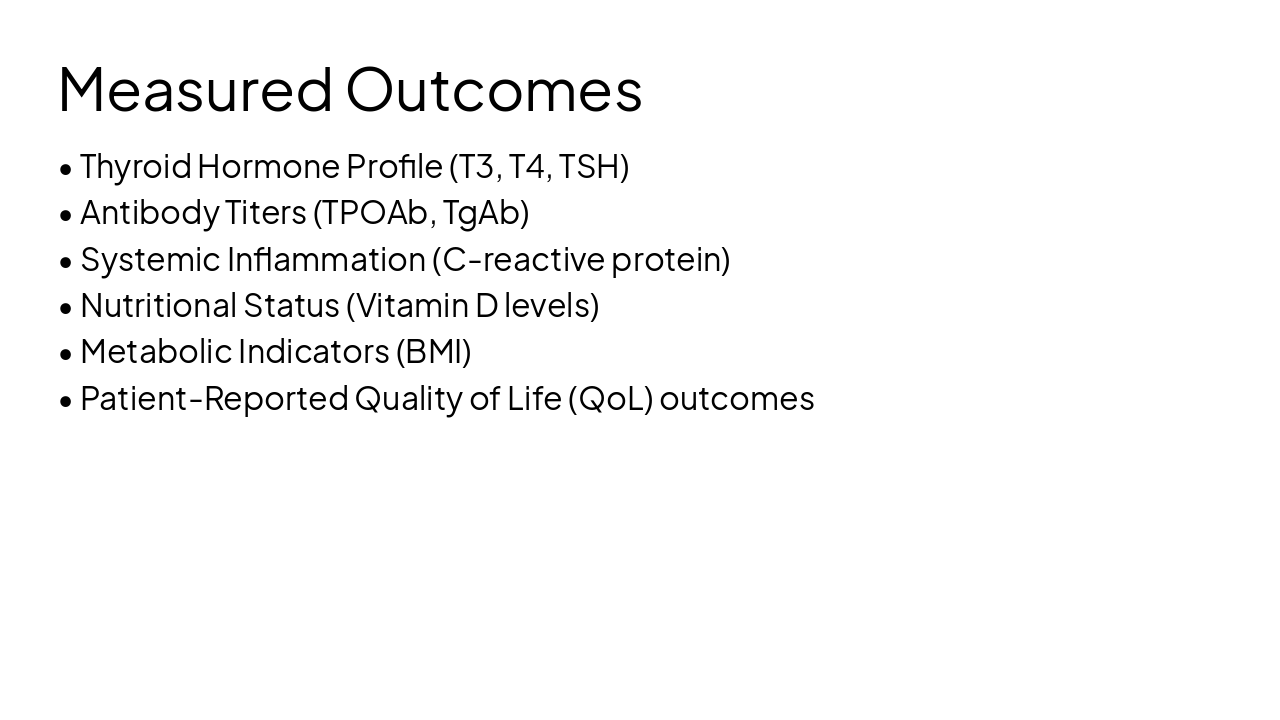
| Outcomes | Thyroid markers, Antibodies, Inflammation, BMI, QoL |
| Study Type | RCTs and high-quality quasi-experimental studies |
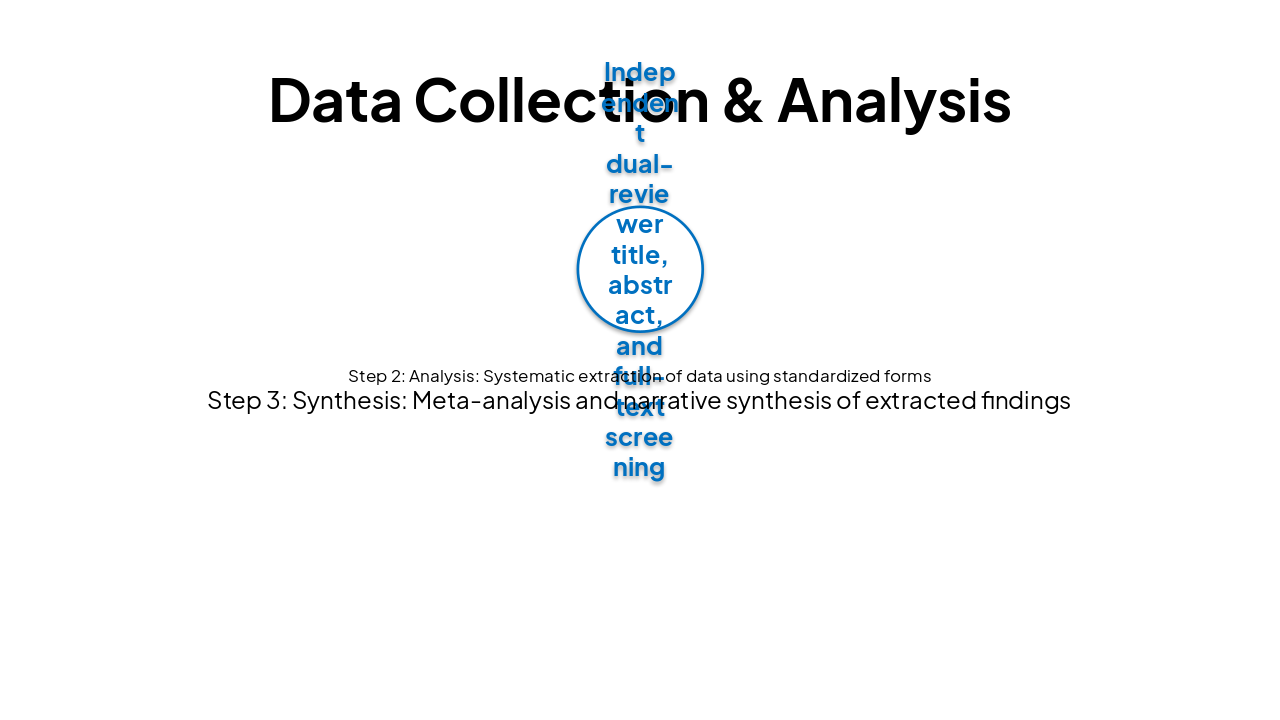
| Step 1: Screening | Step 2: Analysis | Step 3: Synthesis |
|---|---|---|
| Independent dual-reviewer title, abstract, and full-text screening | Systematic extraction of data using standardized forms | Meta-analysis and narrative synthesis of extracted findings |
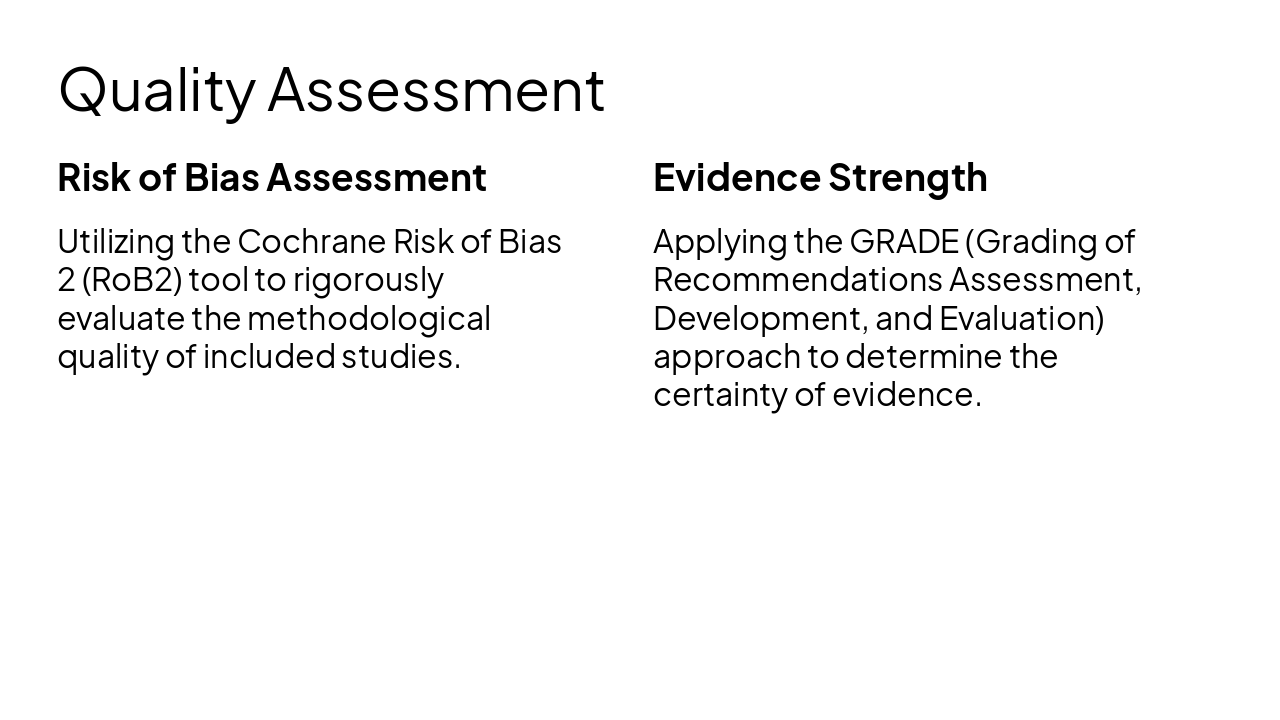
Risk of Bias Assessment Utilizing the Cochrane Risk of Bias 2 (RoB2) tool to rigorously evaluate the methodological quality of included studies.
Evidence Strength Applying the GRADE (Grading of Recommendations Assessment, Development, and Evaluation) approach to determine the certainty of evidence.
Conclusion: Ensuring Evidence-Based Dietary Guidelines for Hashimoto's Thyroiditis
Systematic review will clarify the role of dietary interventions in autoimmune thyroid care.
Explore thousands of AI-generated presentations for inspiration
Generate professional presentations in seconds with Karaf's AI. Customize this presentation or start from scratch.