Slide 1 of 12
Slide 1 - PEA Fort Presentation
PEA Fort: Redefining Chronic Pain Therapy
A Multimodal Therapeutic Approach to Chronic Pain Management
---
Photo by Trnava University on Unsplash
Generated from prompt:
Improve and redesign this medical presentation about PEA Fort and chronic pain. Make it modern, clean, and persuasive for healthcare professionals. Structure: 1) Title slide 2) Definition of pain 3) Types of pain (nociceptive, inflammatory, neuropathic, nociplastic) simplified 4) What is PEA (mechanism simplified visuals) 5) PPAR-alpha pathway 6) Clinical evidence (key stats simplified) 7) Safety profile 8) Practical use (indications + dosage) 9) Synergistic components (L-arginine, curcumin, melatonin, CoQ10) simplified 10) Multimodal approach (PEA Fort) 11) Practical recommendations 12) Key takeaways. Use minimal text per slide, strong headlines, icons suggestions, and speaker notes.
Explore PEA Fort, a multimodal therapeutic solution featuring Palmitoylethanolamide (PEA) and synergistic components like L-arginine, curcumin, melatonin, and CoQ10. Covers chronic pain mechanisms, classifications, PPAR-alpha pathway, clinical证据,安全,剂
PEA Fort: Redefining Chronic Pain Therapy
A Multimodal Therapeutic Approach to Chronic Pain Management
---
Photo by Trnava University on Unsplash
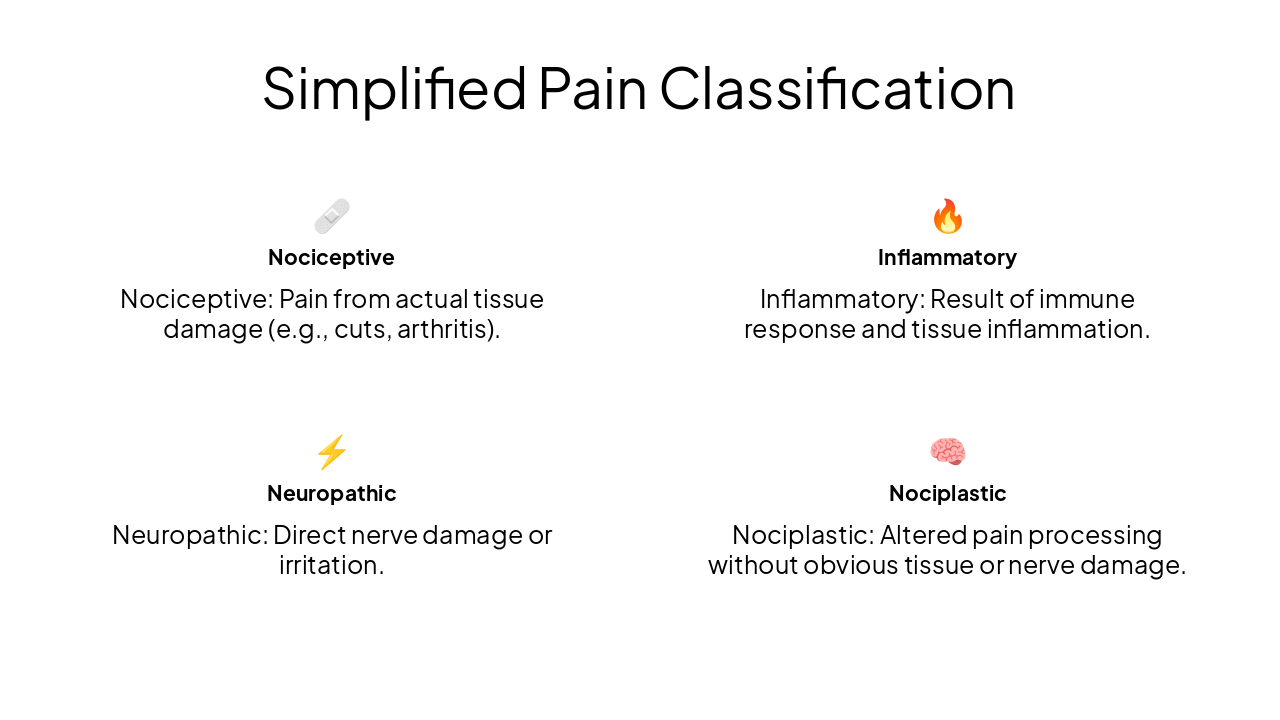
🩹 Nociceptive Nociceptive: Pain from actual tissue damage (e.g., cuts, arthritis).
🔥 Inflammatory Inflammatory: Result of immune response and tissue inflammation.
⚡ Neuropathic Neuropathic: Direct nerve damage or irritation.
🧠 Nociplastic Nociplastic: Altered pain processing without obvious tissue or nerve damage.
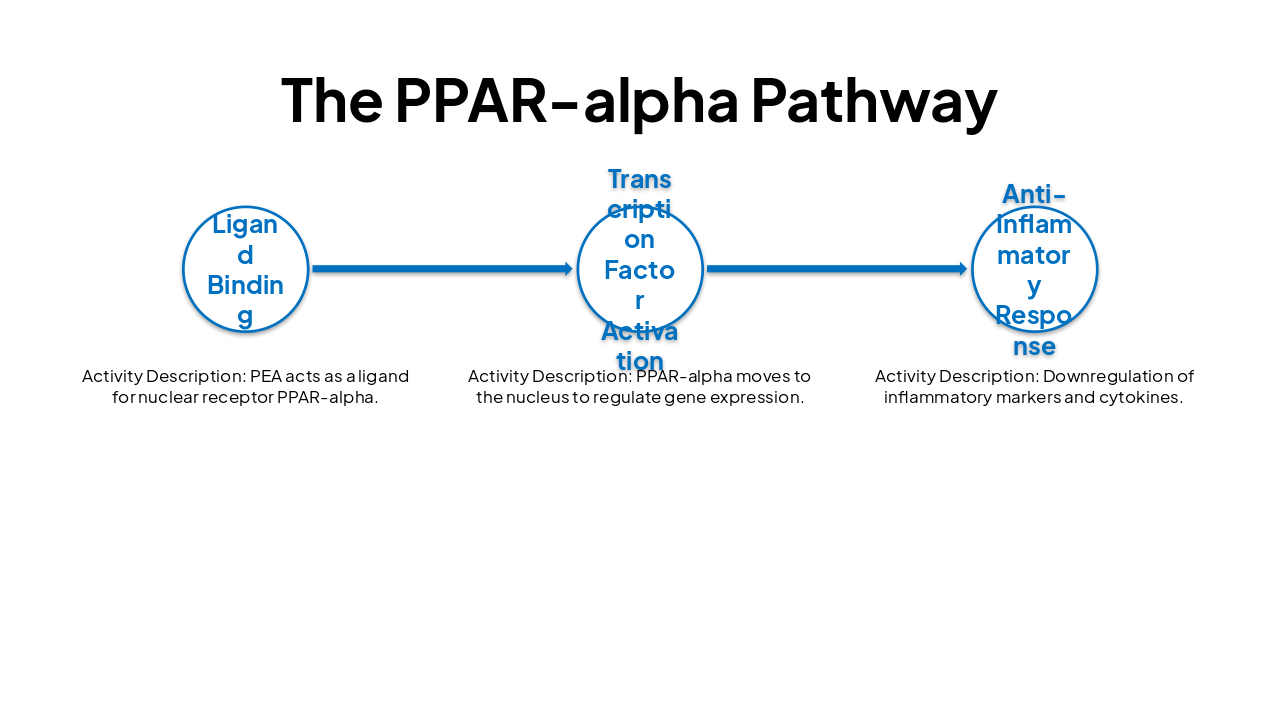
| Pathway Stage | Activity Description |
|---|---|
| Ligand Binding | PEA acts as a ligand for nuclear receptor PPAR-alpha. |
| Transcription Factor Activation | PPAR-alpha moves to the nucleus to regulate gene expression. |
| Anti-Inflammatory Response | Downregulation of inflammatory markers and cytokines. |
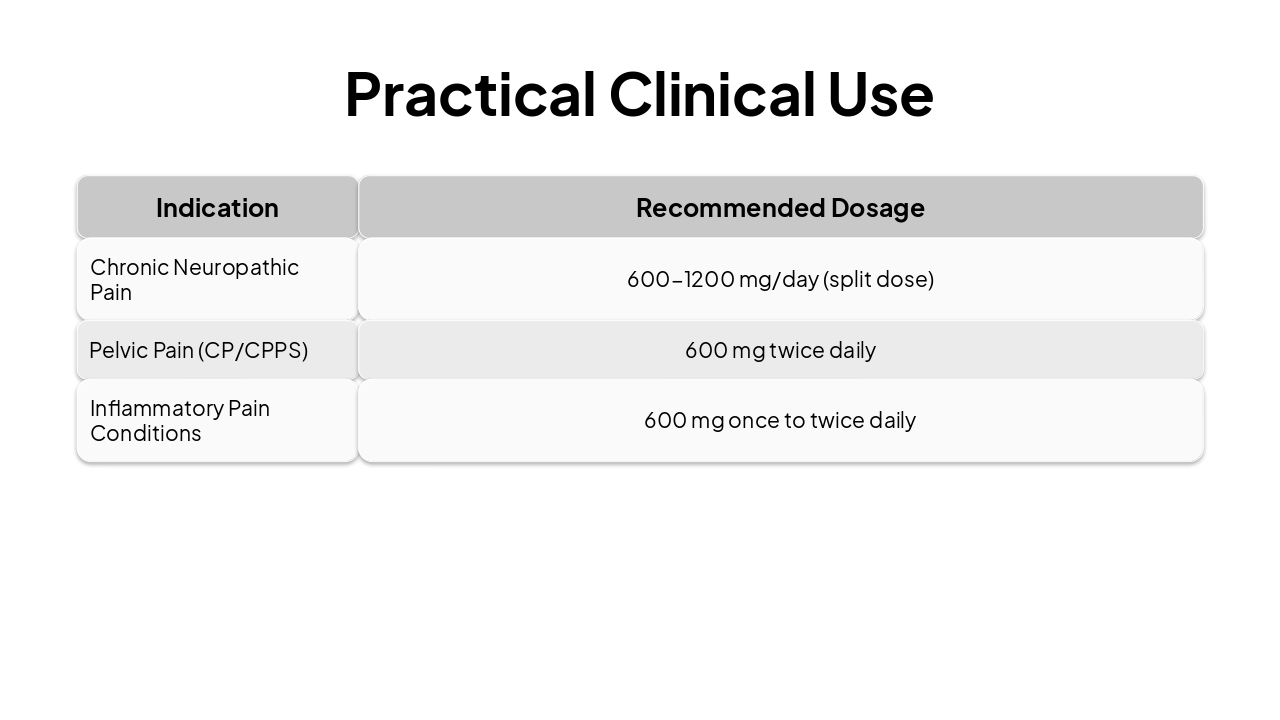
| Indication | Recommended Dosage |
|---|---|
| Chronic Neuropathic Pain | 600-1200 mg/day (split dose) |
| Pelvic Pain (CP/CPPS) | 600 mg twice daily |
| Inflammatory Pain Conditions | 600 mg once to twice daily |
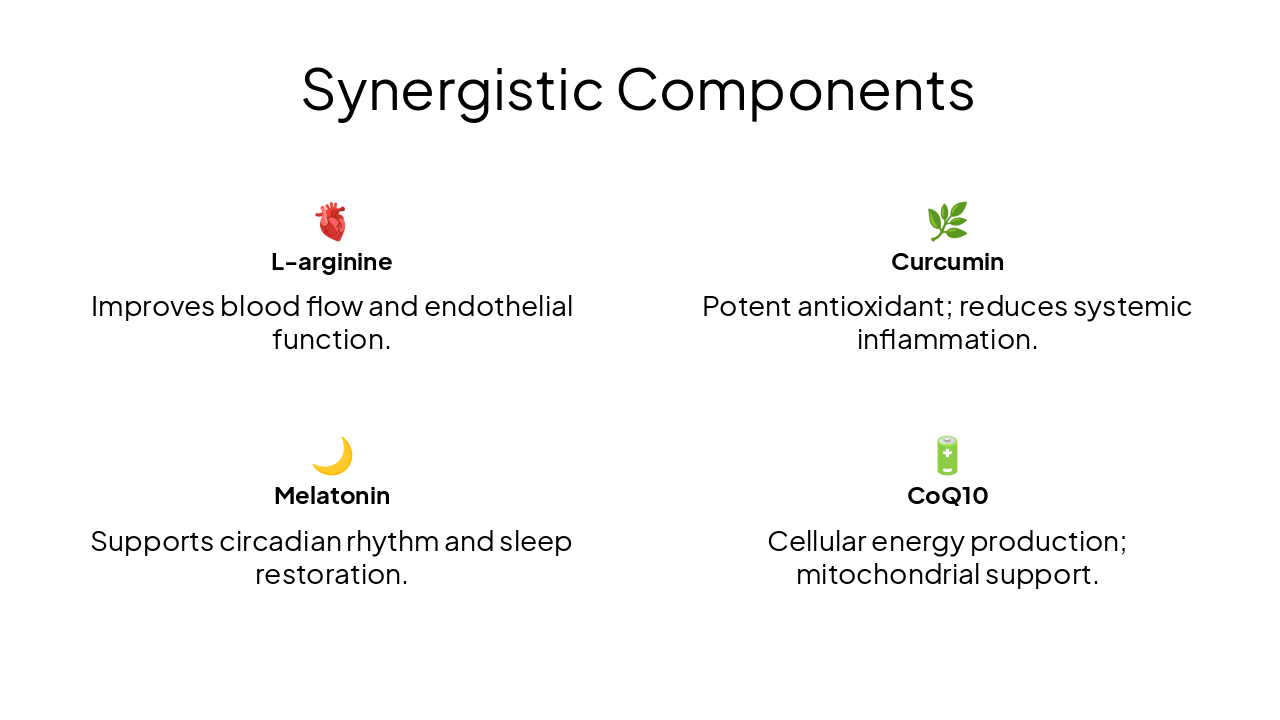
🫀 L-arginine Improves blood flow and endothelial function.
🌿 Curcumin Potent antioxidant; reduces systemic inflammation.
🌙 Melatonin Supports circadian rhythm and sleep restoration.
🔋 CoQ10 Cellular energy production; mitochondrial support.
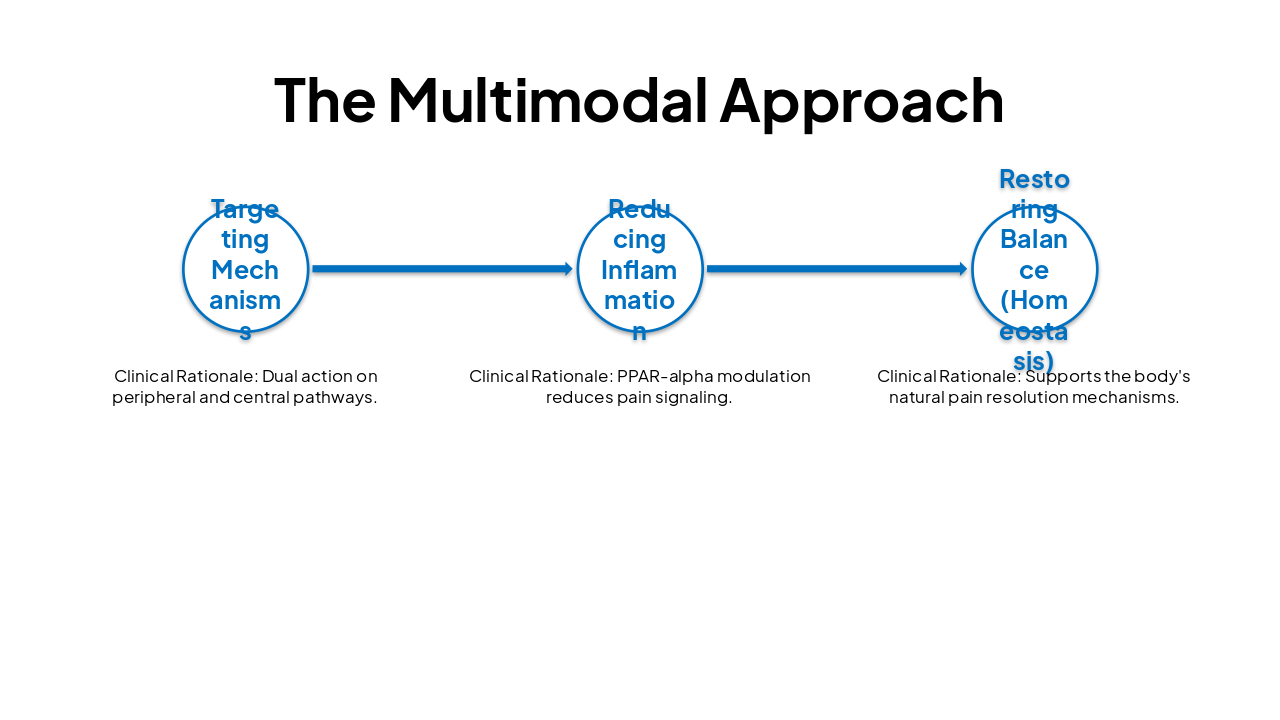
| Approach Step | Clinical Rationale |
|---|---|
| Targeting Mechanisms | Dual action on peripheral and central pathways. |
| Reducing Inflammation | PPAR-alpha modulation reduces pain signaling. |
| Restoring Balance (Homeostasis) | Supports the body's natural pain resolution mechanisms. |
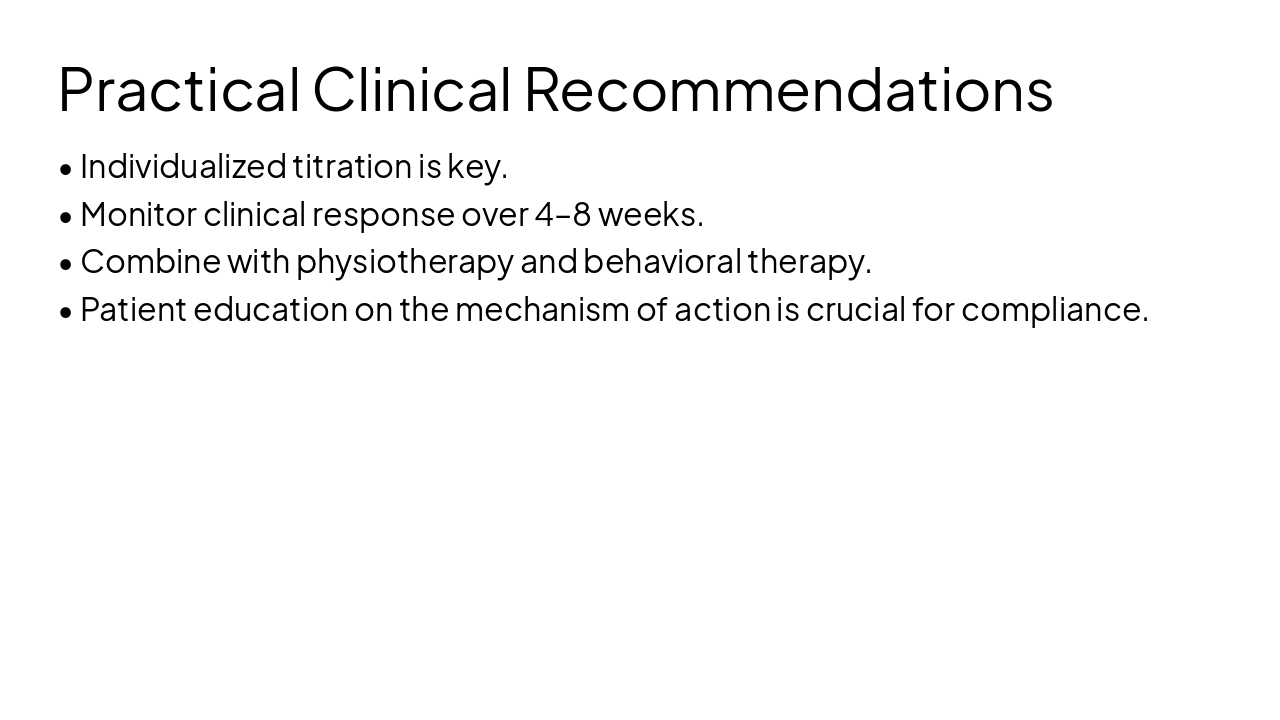
PEA Fort offers a modern, safe, and effective multimodal solution to manage the complex landscape of chronic pain.
Integrating PEA into your clinical practice.
---
Photo by camera obscura on Unsplash

Explore thousands of AI-generated presentations for inspiration
Generate professional presentations in seconds with Karaf's AI. Customize this presentation or start from scratch.