Slide 1 of 7
Slide 1 - The Timeline of Microbiology and Nursing Practice
The Timeline of Microbiology and Nursing Practice
Lecture Activity
---
Photo by Louis Reed on Unsplash
Generated from prompt:
Create a clean and professional PowerPoint presentation about “The Timeline of Microbiology and Nursing Practice.” Use a blue and white medical theme with simple layouts, timeline designs, and healthcare-related icons or images. Make the presentation look like it was made by nursing students. Use readable fonts and not too much text per slide. Include these slides: Title Slide Title: “The Timeline of Microbiology and Nursing Practice” Subtitle: “Lecture Activity” Include medical or microbiology themed background/images. Introduction Slide Explain that microbiology evolved through different scientists’ discoveries that improved healthcare, infection prevention, and nursing practice. Timeline Slides Make a timeline format showing: Year Scientist Contribution Nursing Practice/Relevance Include these scientists: 1674 – Antonie van Leeuwenhoek – discovered microorganisms using a microscope – helped people understand microorganisms and diseases. 1796 – Edward Jenner – developed the first smallpox vaccine – importance of immunization and vaccination. 1847 – Ignaz Semmelweis – promoted handwashing – basis of proper hand hygiene. 1854 – Florence Nightingale – improved sanitation and hygiene – foundation of infection control. 1861 – Louis Pasteur – introduced Germ Theory – understanding disease transmission. 1867 – Joseph Lister – introduced antiseptic surgery – improved surgical asepsis. 1876 – Robert Koch – identified disease-causing bacteria – improved diagnosis and infection prevention. 1928 – Alexander Fleming – discovered Penicillin – beginning of antibiotic therapy. Guide Questions Slide Include these questions and answers: How did microbiology evolve over time? Which scientist contributed most significantly to infection control? How are these discoveries applied in Philippine nursing practice today? Conclusion Slide State that microbiology greatly improved nursing practice through infection control, sanitation, vaccines, and antibiotics, helping nurses provide safe and effective patient care today. Design Instructions Use minimal and organized text. Add timeline graphics and medical icons. Include images of scientists if possible. Use transitions and clean animations only. Make the presentation simple, neat, and easy to present in class.
This presentation explores the historical evolution of microbiology and its profound impact on nursing practice. It highlights key scientific discoveries from pioneering figures like Leeuwenhoek, Jenner, Semmelweis, Nightingale, Pasteur, Lister, Koch, and Fleming, detailing their contributions to infection control, sanitation, vaccination, and antibiotic therapies. The presentation emphasizes how these advancements have fundamentally transformed and continue to guide modern nursing to ensure safe and effective patient care.
The Timeline of Microbiology and Nursing Practice
Lecture Activity
---
Photo by Louis Reed on Unsplash
---
Photo by Yue Ma on Unsplash
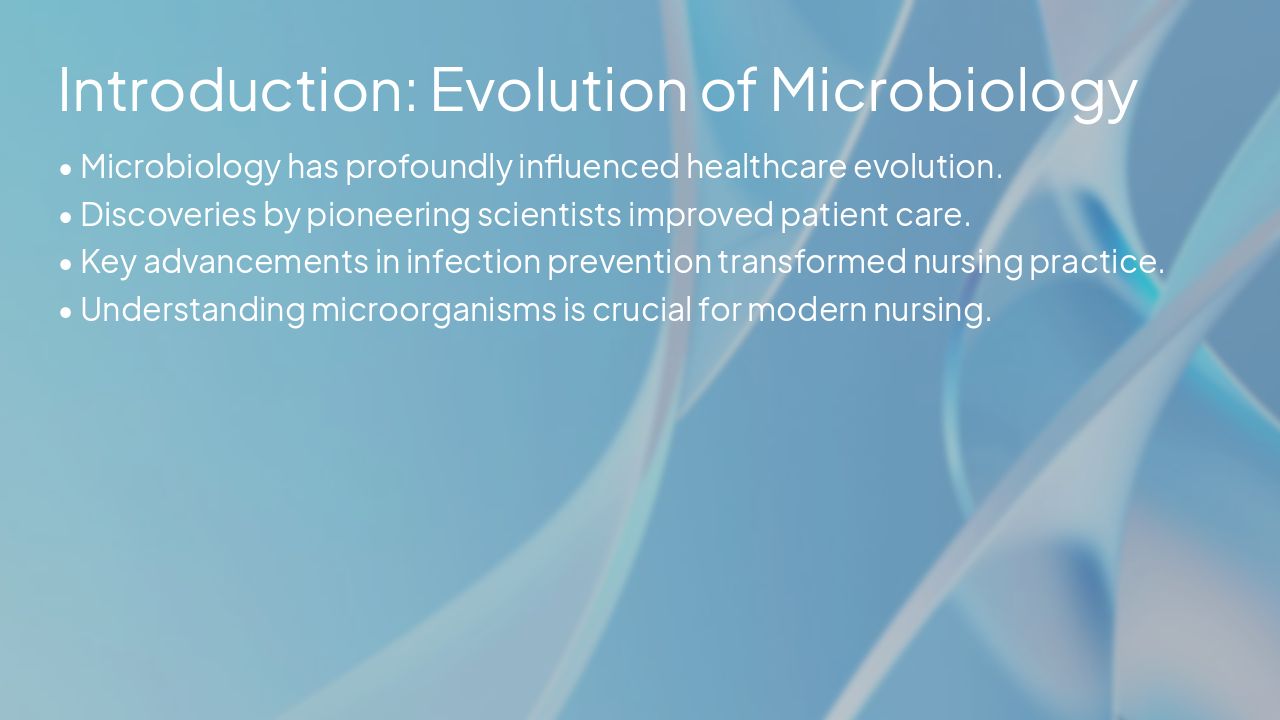
1674: Antonie van Leeuwenhoek Discovered microorganisms using a microscope, leading to a better understanding of diseases. 1796: Edward Jenner Developed the first smallpox vaccine, highlighting the importance of immunization. 1847: Ignaz Semmelweis Promoted handwashing in obstetrical clinics, drastically reducing maternal mortality and establishing proper hand hygiene.
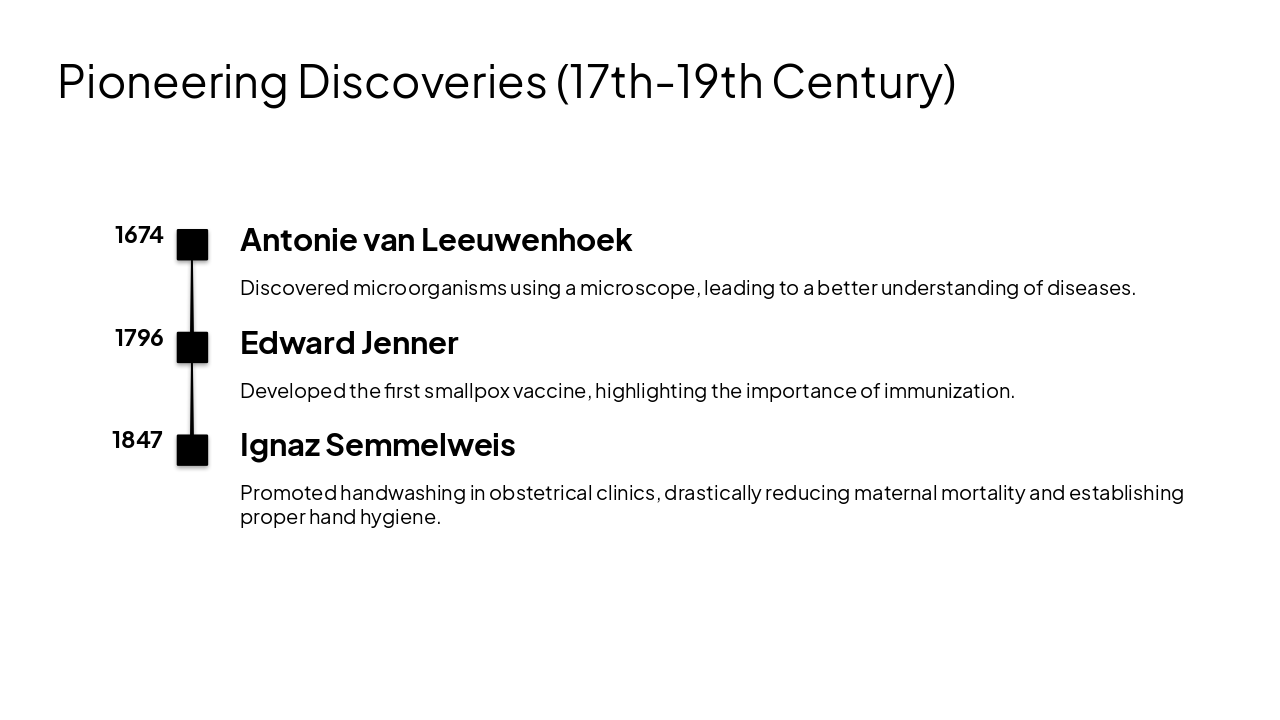
1854: Florence Nightingale Improved sanitation and hygiene in military hospitals, establishing the foundation of infection control in nursing. 1861: Louis Pasteur Introduced Germ Theory, fundamentally changing the understanding of disease transmission and prevention. 1867: Joseph Lister Pioneered antiseptic surgery, significantly improving surgical asepsis and reducing post-operative infections.
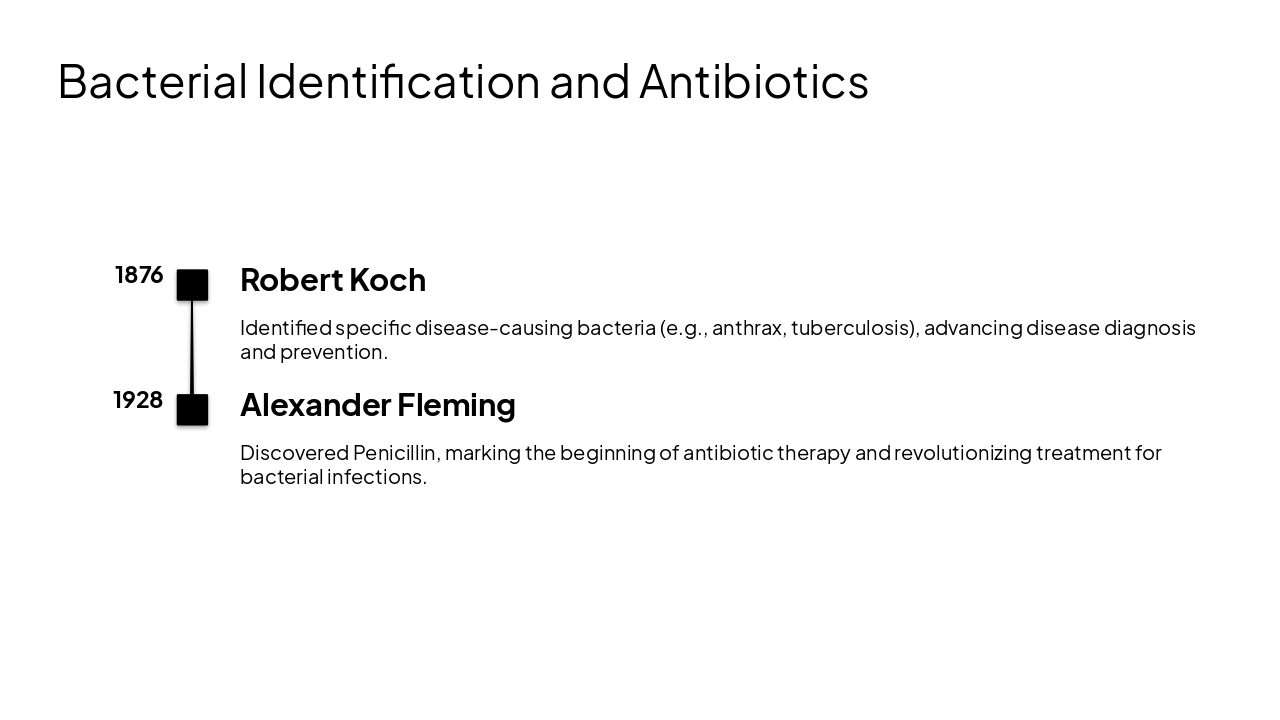
1876: Robert Koch Identified specific disease-causing bacteria (e.g., anthrax, tuberculosis), advancing disease diagnosis and prevention. 1928: Alexander Fleming Discovered Penicillin, marking the beginning of antibiotic therapy and revolutionizing treatment for bacterial infections.
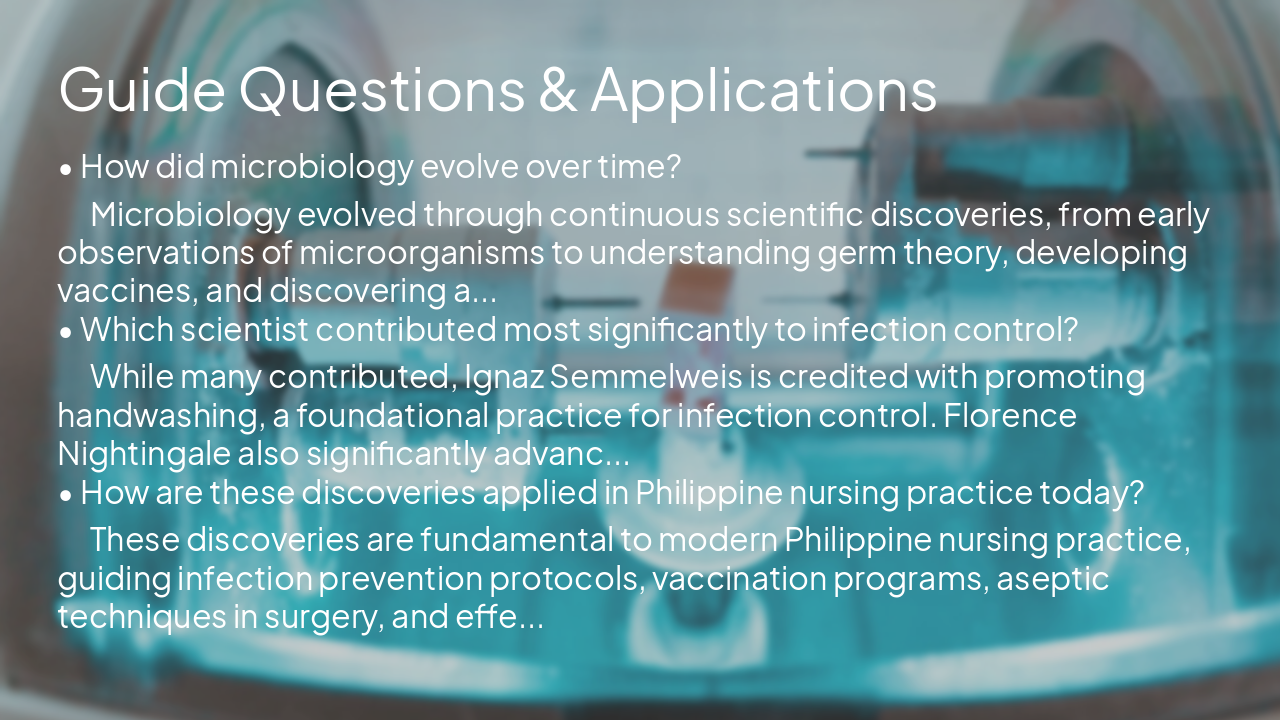
Microbiology evolved through continuous scientific discoveries, from early observations of microorganisms to understanding germ theory, developing vaccines, and discovering antibiotics.
While many contributed, Ignaz Semmelweis is credited with promoting handwashing, a foundational practice for infection control. Florence Nightingale also significantly advanced sanitation in nursing.
These discoveries are fundamental to modern Philippine nursing practice, guiding infection prevention protocols, vaccination programs, aseptic techniques in surgery, and effective antibiotic use for patient care. ---
Photo by beuwy.com Alexander Pütter on Unsplash
Microbiology has fundamentally transformed nursing practice, establishing the bedrock for infection control, sanitation, vaccination, and antibiotic therapies. These advancements empower nurses to deliver safe, effective, and high-quality patient care in the modern era.
Ensuring Safe and Effective Patient Care
---
Photo by Codioful (Formerly Gradienta) on Unsplash
Explore thousands of AI-generated presentations for inspiration
Generate professional presentations in seconds with Karaf's AI. Customize this presentation or start from scratch.