Slide 1 - 健康生活,从积极心态开始
This title slide proclaims "健康生活,从积极心态开始" (Healthy living starts with a positive mindset). Its subtitle provides "心理健康与积极思维的科学解读" (Scientific interpretation of mental health and positive thinking).
健康生活,从积极心态开始
心理健康与积极思维的科学解读

Generated from prompt:
🎯 最终确定的设定 • 主题:健康生活——积极健康心态 • 类型:科普 + 半学术汇报 • 受众:学生(大学或中学) • 时长:30分钟 • 风格:专业、明亮、有温度 • 包含互动:✅ 有小游戏或思考讨论环节 💡 PPT 内容结构建议(12页) 1. 封面页 • 标题:健康生活,从积极心态开始 • 副标题:心理健康与积极思维的科学解读 • 主讲人姓名 / 日期 / 学校或机构 2. 引言:你有多了解自己的心态? • 简短思考题或投票互动: 👉 “今天醒来第一件想到的事是什么?” • 引出主题:心态影响一天的能量与健康。 3. 什么是健康?——WHO的定义 • 不仅是“没有疾病”,更是 身体、心理、社会的完满状态。 • 图示三维健康模型。 4. 积极与消极心态的区别 • 对比表格:思维方式、情绪反应、生理指标。 • 案例:面对考试失败的两种不同反应。 5. 科学研究:心态如何影响身体? • 简介研究:乐观者心血管健康更好、免疫力更强。 • 数据可视化展示(条形图/折线图)。 6. 积极心理学视角:幸福的三要素 • Seligman理论:积极情绪 + 投入 + 意义。 • 举例:运动、社交、助人。 7. 互动环节①:心态雷达图 • 让学生在纸上画出自己一周的情绪起伏。 • 讨论:哪些因素让你情绪稳定或波动? 8. 培养积极心态的五个方法 • 感恩记录 • 正念呼吸 • 积极自我暗示 • 设立小目标 • 规律作息与运动 9. 互动环节②:60秒正念冥想体验 • 音乐+呼吸指导脚本(PPT文字提示)。 10. 压力与复原力 • 压力是生活的一部分 • 如何通过积极心态恢复能量 • 小测:你是易反弹型还是易崩溃型? 11. 总结:积极心态=持续健康的核心动力 • 图表:积极心态 → 行为改善 → 健康促进 → 良性循环。 12. 结尾互动与问答 • 引导学生分享自己的小心得。 • 结束语: “不是因为快乐而感恩,而是因为感恩而
30-min student PPT on positive mindset for health: WHO definition, mindset contrasts/science, Seligman’s happiness elements, 5 cultivation methods, stress resilience. Includes interactive emotion rada
This title slide proclaims "健康生活,从积极心态开始" (Healthy living starts with a positive mindset). Its subtitle provides "心理健康与积极思维的科学解读" (Scientific interpretation of mental health and positive thinking).
心理健康与积极思维的科学解读

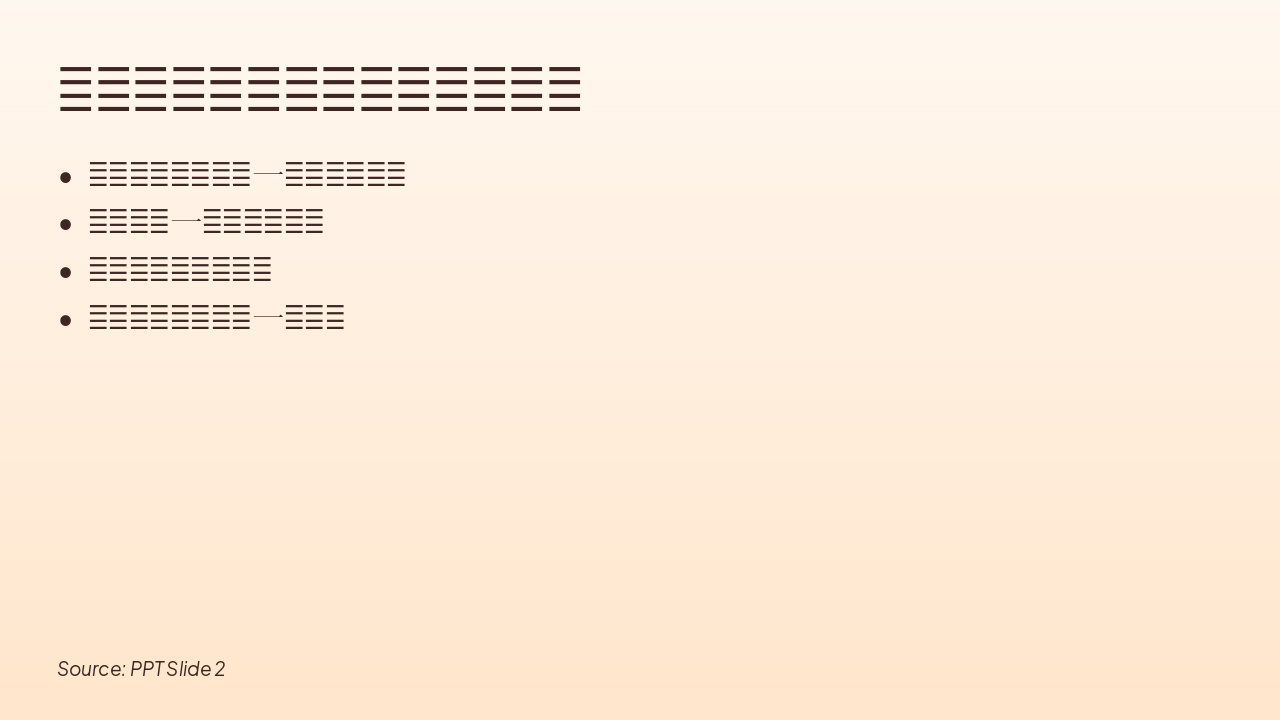
This slide, titled "Introduction: How well do you know your own mindset?", prompts reflection on your first action or thought upon waking. It explains that mindset determines daily energy levels, impacts physical/mental health and vitality, and invites interactive sharing of first thoughts.
Source: PPT Slide 2

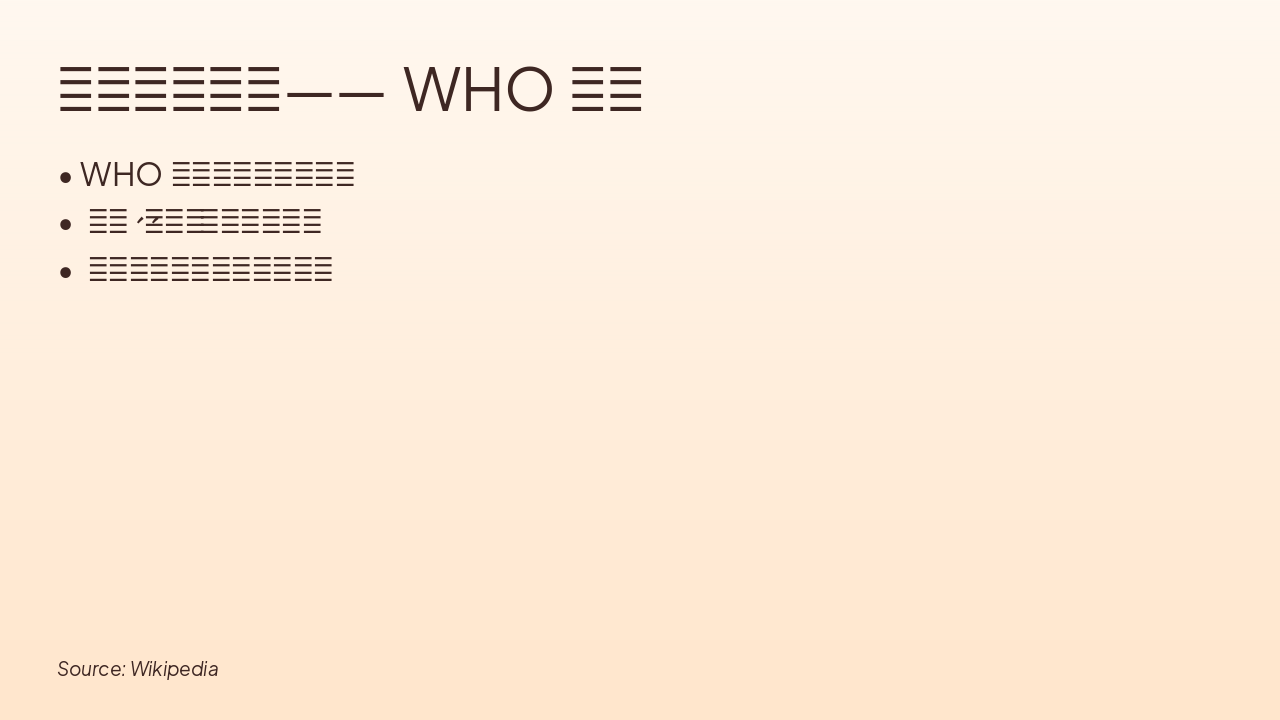
The slide, titled "What is Health? — WHO Definition," states that health is more than the absence of disease. It describes complete physical, mental, and social well-being, shown in a three-dimensional model with mental health at the core.
Source: Wikipedia

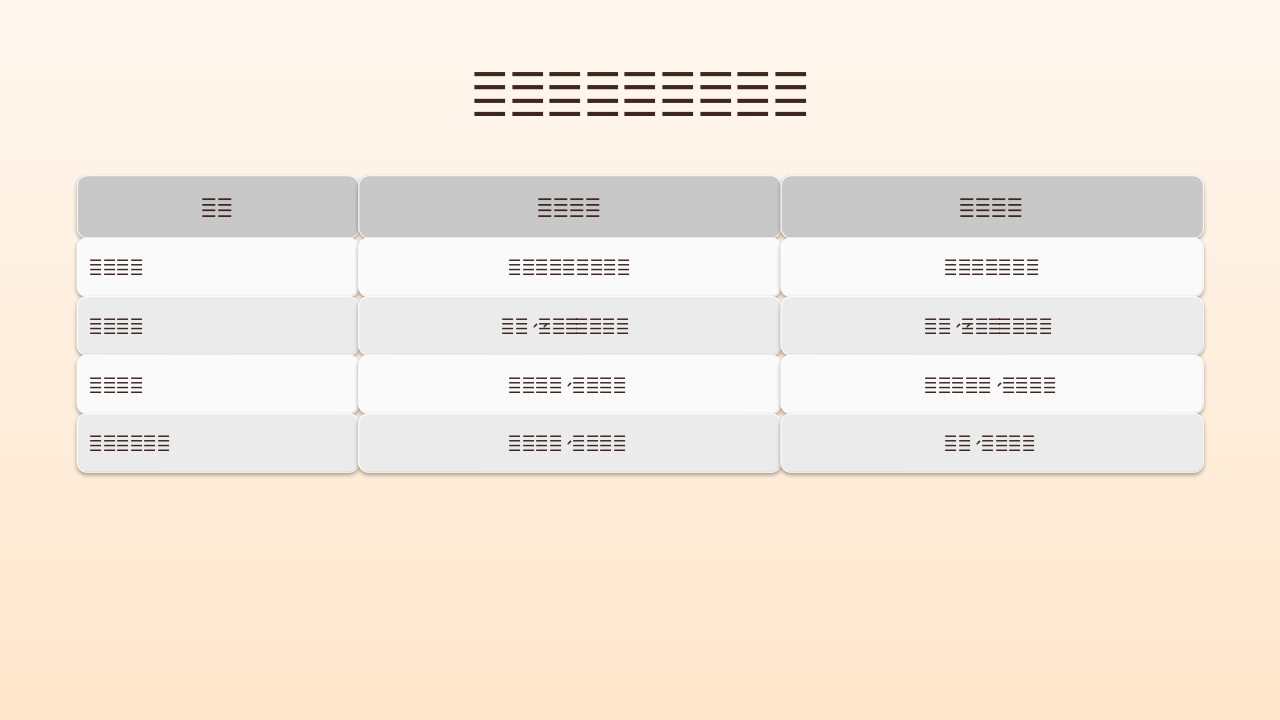
The slide table contrasts positive and negative mindsets across thinking style, emotional response, physiological indicators, and reactions to exam failure. Positive mindsets emphasize opportunities, optimism, stable health, and quick recovery, while negative ones focus on problems, anxiety, weakened immunity, and prolonged despair.
{ "headers": [ "方面", "积极心态", "消极心态" ], "rows": [ [ "思维方式", "寻找机会与解决方案", "关注问题与失败" ], [ "情绪反应", "乐观、希望、快速恢复", "焦虑、沮丧、持久低落" ], [ "生理指标", "心率稳定、免疫力强", "皮质醇升高、免疫力弱" ], [ "考试失败案例", "分析原因、快速恢复", "自责、长期消沉" ] ] }

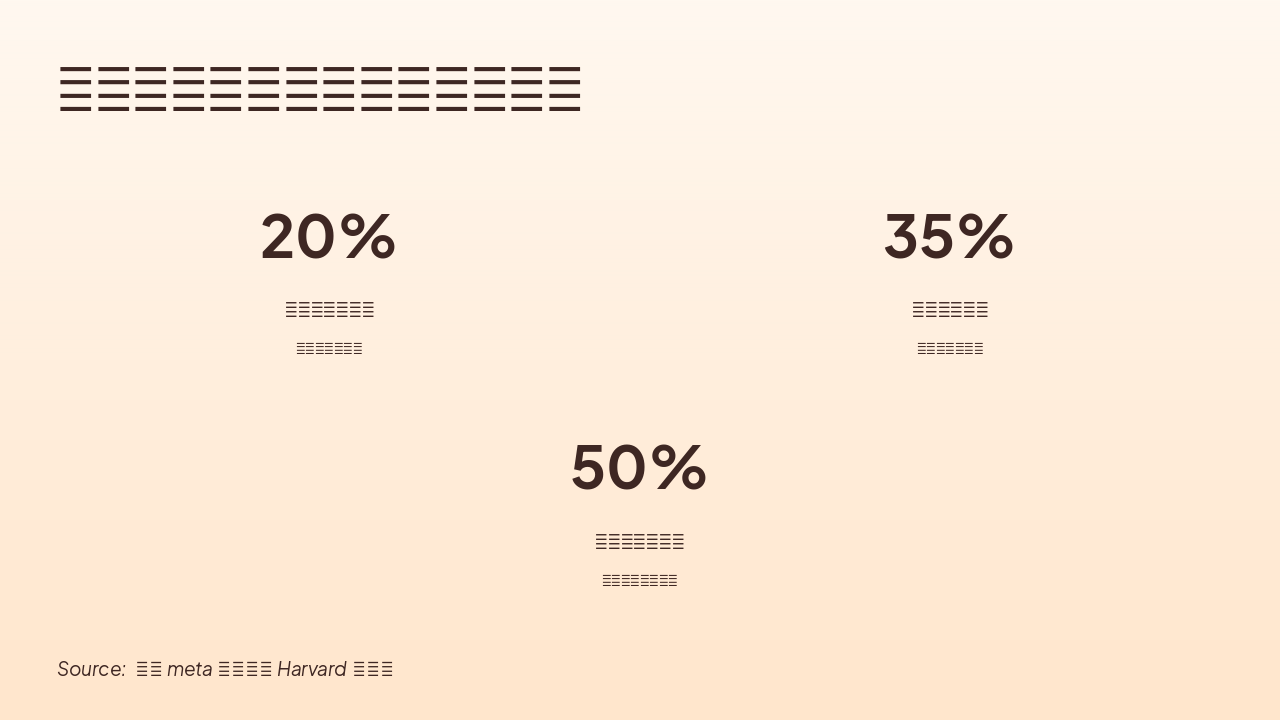
Scientific research shows how a positive mindset impacts the body. Optimists experience 20% lower heart disease risk, 35% stronger immune responses, and 50% fewer respiratory infections annually.
乐观者显著更低
抗体产生更高效
每年感冒次数减少 Source: 多项meta分析(如Harvard研究)

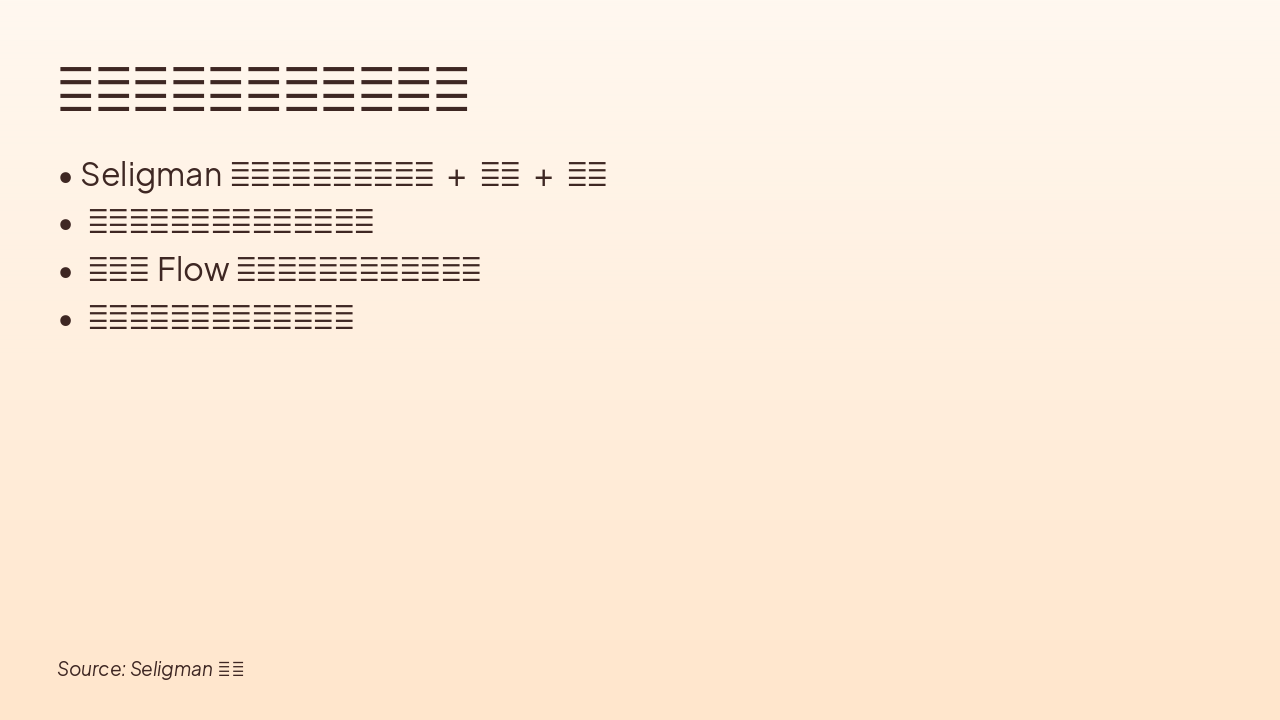
The slide on Positive Psychology presents Seligman's three elements of happiness: positive emotions, engagement (flow), and meaning. It illustrates these with examples like joy from exercise, immersive pleasure in social interactions, and life value from helping others.
Source: Seligman理论

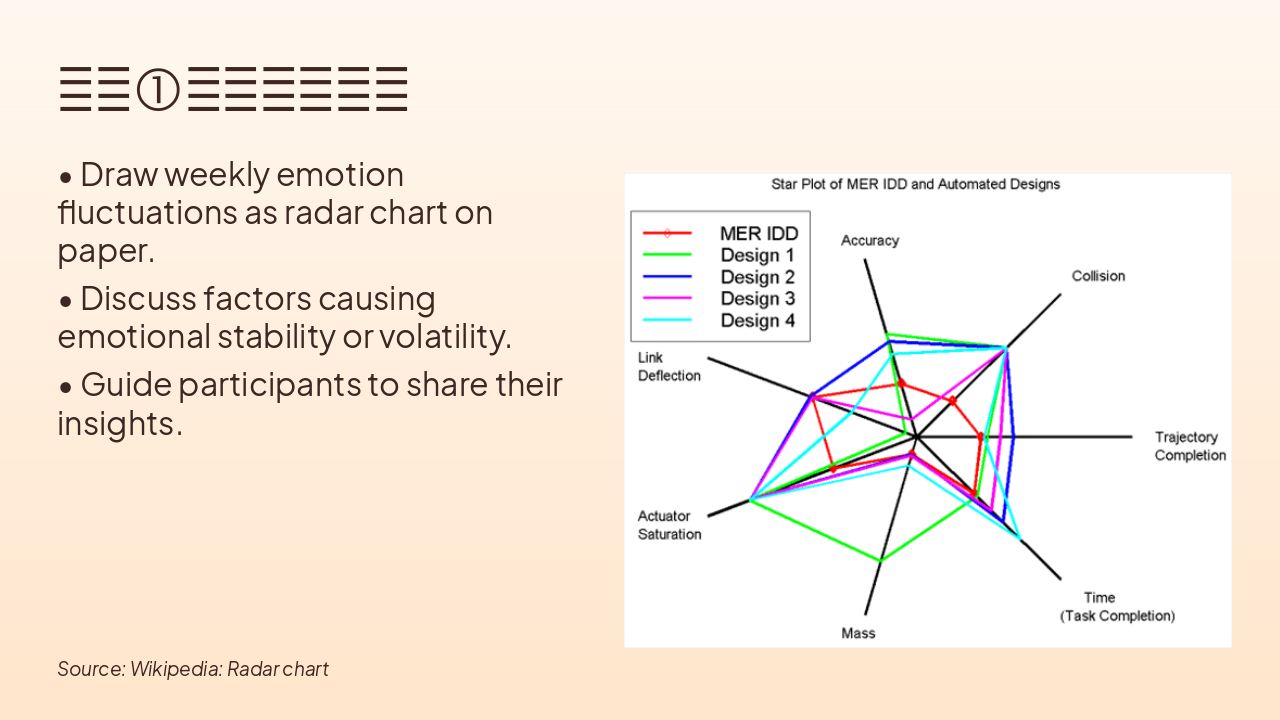
This slide, titled "互动①:心态雷达图" (Interaction 1: Mindset Radar Chart), instructs participants to draw weekly emotion fluctuations as a radar chart on paper. It guides discussion of factors causing emotional stability or volatility, followed by sharing personal insights.
Source: Wikipedia: Radar chart

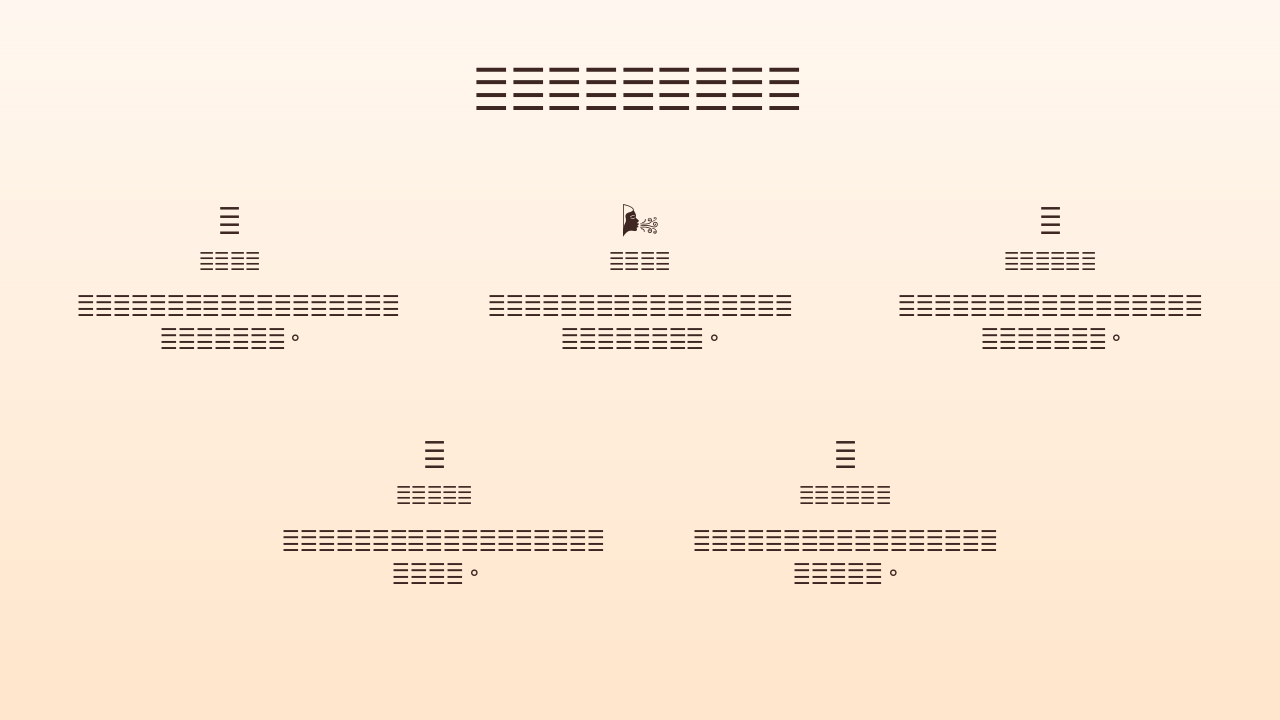
This slide presents five methods to cultivate a positive mindset: gratitude journaling, mindful breathing, positive self-affirmations, setting small goals, and regular routines with exercise. Each features an icon, heading, and concise description of its benefits, like boosting happiness or reducing stress.
{ "features": [ { "icon": "📓", "heading": "感恩记录", "description": "每天记录三件感恩的事,培养积极情绪,提升整体幸福感。" }, { "icon": "🌬️", "heading": "正念呼吸", "description": "专注当下呼吸,觉察身心状态,快速缓解压力,恢复平静。" }, { "icon": "💭", "heading": "积极自我暗示", "description": "用正面话语鼓励自己,增强自信心,逐步改变负面思维。" }, { "icon": "🎯", "heading": "设立小目标", "description": "分解任务,每天完成小步,积累成就感,保持动力。" }, { "icon": "💪", "heading": "规律作息运动", "description": "固定睡眠与锻炼时间,促进身心平衡,增强复原力。" } ] }

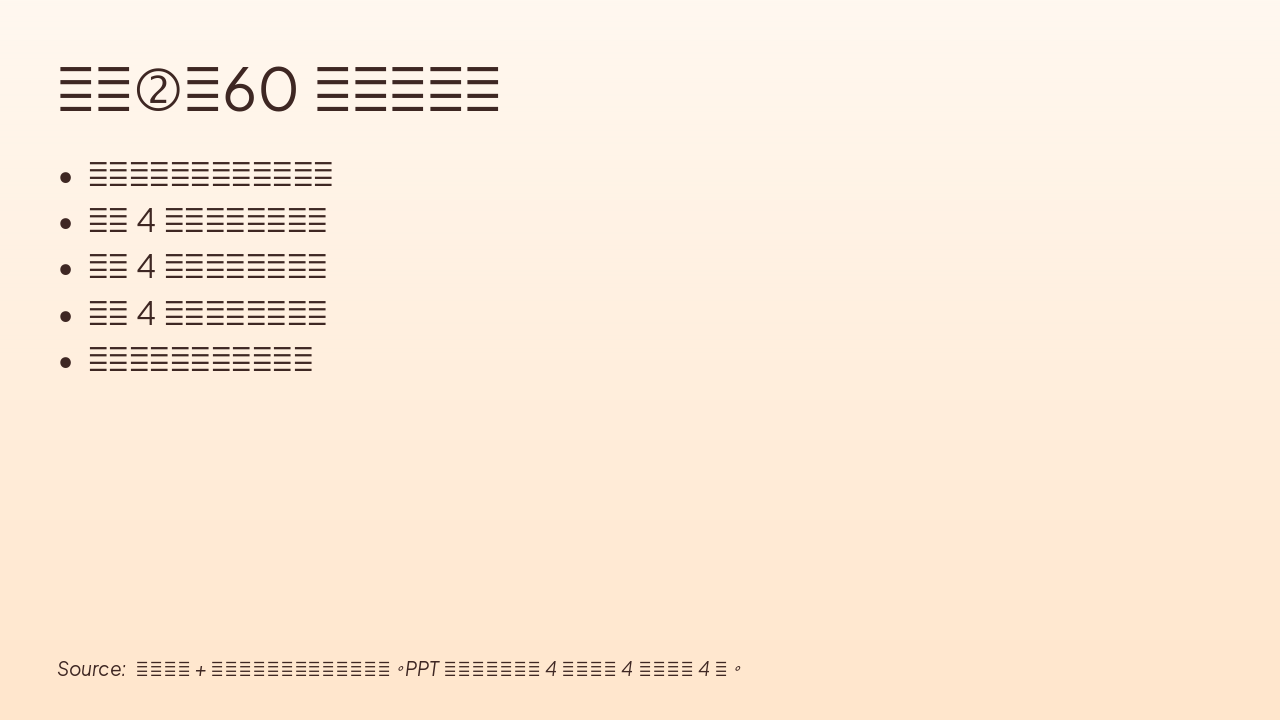
This slide outlines a 60-second mindfulness meditation interactive. It instructs playing soothing music, closing eyes for deep breathing (inhale 4s, hold 4s, exhale 4s), repeating three times, and noticing the present moment.
Source: 音乐播放+文字指导:深呼吸,感受当下。PPT提示脚本:吸气4秒,屏息4秒,呼气4秒。

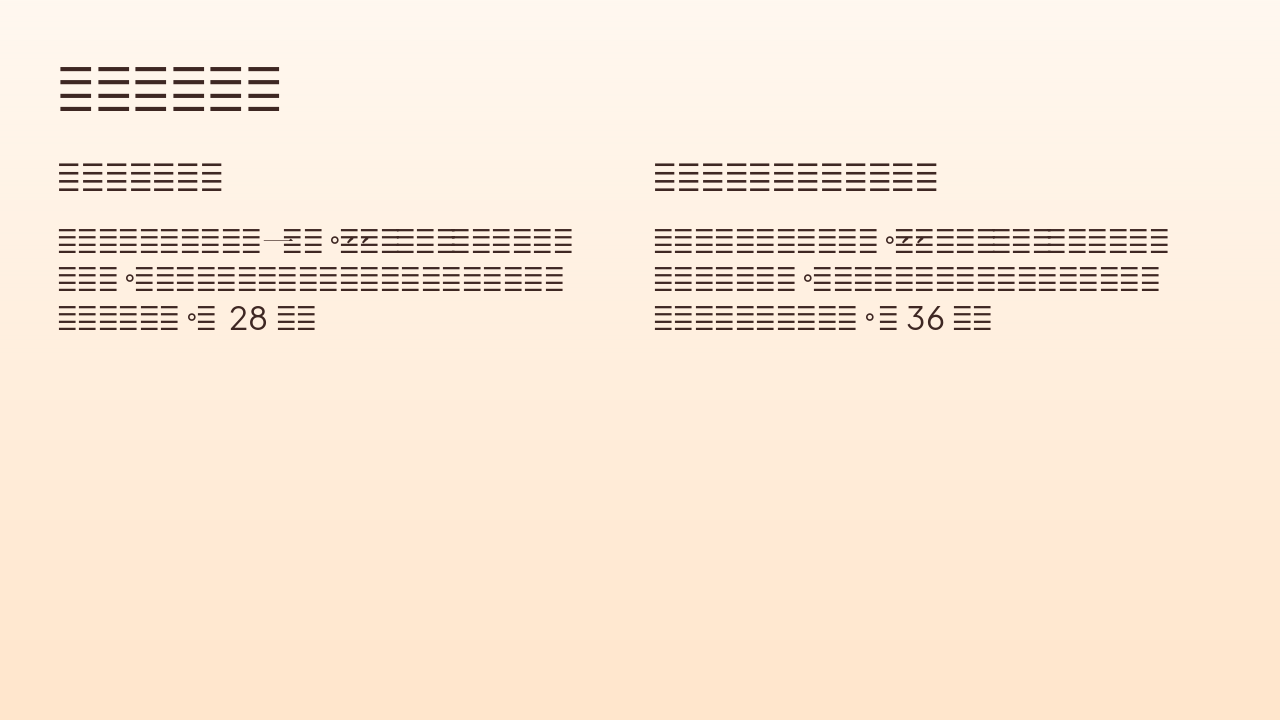
Stress is an inevitable part of life in learning, work, and relationships, acting like muscle training to unlock potential if managed properly to avoid burden. Resilience, powered by a positive mindset via gratitude, mindfulness, and optimism, enables quick energy recovery, with "rebounders" thriving on challenges while others must cultivate it.
| 压力:生活常态 | 复原力:积极心态恢复能量 |
|---|---|
| 压力是生活不可避免的一部分。学习、工作、人际关系中随处可见。它像肌肉训练,能激发潜力,但需正确应对,避免积累成负担。(28字) | 积极心态是复原力的核心。通过感恩、正念、乐观思考,快速恢复身心能量。易反弹型者视压力为挑战,高效反弹;易崩溃型需培养此能力。(36字) |

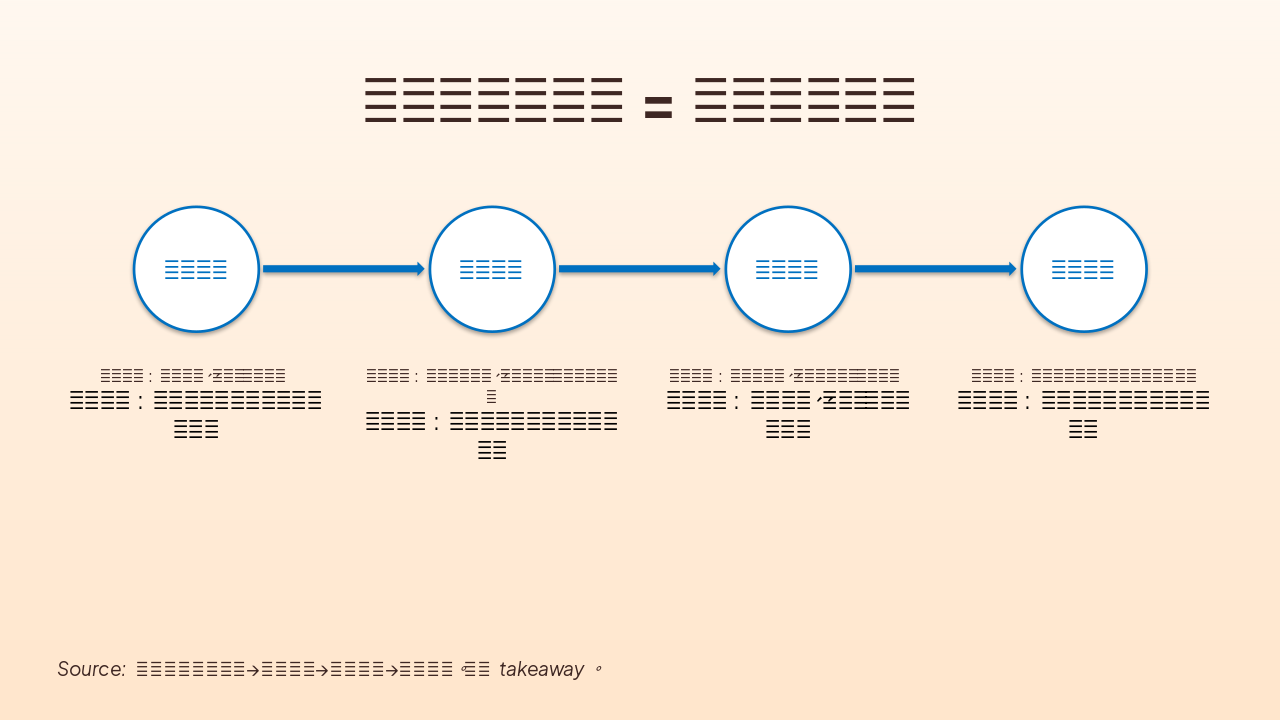
This workflow slide depicts a positive mindset as the core driver of health, starting with cultivating optimism, gratitude, and mindfulness to boost motivation and decisions. It progresses through behavior improvements (exercise, diet, sleep), health enhancements (immunity, vitality), and a virtuous cycle reinforcing long-term physical, mental, and social well-being.
{ "headers": [ "阶段", "核心变化", "健康益处" ], "rows": [ [ "积极心态", "培养乐观、感恩、正念思维", "激发内在动力,改善情绪与决策" ], [ "行为改善", "养成规律运动、均衡饮食、充足睡眠等习惯", "减少不良行为,提升生活质量" ], [ "健康促进", "增强免疫力、心血管功能、整体活力", "实现身体、心理、社会完满健康" ], [ "良性循环", "健康反馈强化心态,形成闭环动力", "持续动力源泉,实现长期健康" ] ] }
Source: 流程图:积极心态→行为改善→健康促进→良性循环。关键 takeaway。

The slide features a quote—"Not grateful because of happiness, but happy because of gratitude"—and invites the audience to share their personal insights. The subtitle announces Q&A time and thanks listeners for their attention.
“不是因为快乐而感恩, 而是因为感恩而快乐。”
分享你的小心得!
Q&A时间 | 感谢聆听!
Source: 健康生活——积极健康心态

Generate professional presentations in seconds with Karaf's AI. Customize this presentation or start from scratch.