Slide 1 of 18
Slide 1 - Behavioral Disorders and Therapy
Behavioral Disorders and Therapy
Repeated patterns disrupting daily life and relationships, such as excessive anger or aggression
---
Photo by Patrick Perkins on Unsplash
Generated from prompt:
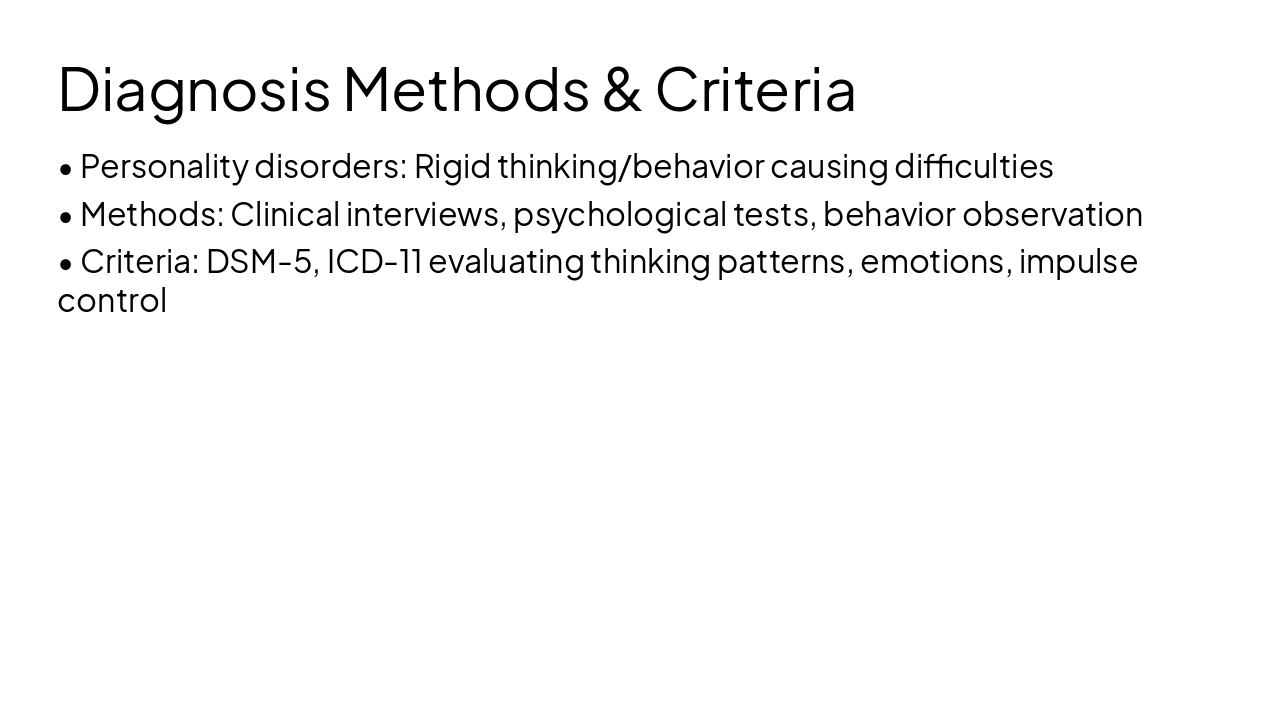
Behavioral Disorders and Therapy Behavioral disorders are repeated patterns of behavior that disrupt a person’s daily life and social relationships, such as excessive anger, aggression, or unusual behaviors. 1. Meaning of Therapy Therapy is a collaborative process between a trained professional (therapist) and an individual, couple, or group experiencing difficulties. It focuses on understanding and changing problematic thoughts, emotions, and behaviors through psychological methods rather than relying only on medication. 2. Goals of Therapy The main goals of therapy include: Reducing Symptoms To decrease anger, stress, anxiety, or problematic behaviors. Improving Coping Skills To help individuals learn healthy ways to manage pressure and difficult situations. Self-Understanding and Awareness To help individuals understand the causes of their behaviors and emotions. 3. Types of Therapeutic Techniques Therapeutic approaches vary, and each has its own method: Cognitive Behavioral Therapy (CBT) Focuses on changing negative thoughts that lead to unhealthy behaviors. Behavior Modification Uses rewards and consequences to encourage positive behavior. Dialectical Behavior Therapy (DBT) Designed especially to help with emotional regulation and improving relationships with others. 4. Factors Affecting the Effectiveness of Therapy Not every therapy produces the same results. Important factors include: Relationship Between Therapist and Client Trust and a strong therapeutic relationship improve treatment success. Willingness to Change The individual must be ready and motivated to make changes. Severity of the Problem Long-term or severe problems may require more intensive treatment. Environmental Support Supportive family members and friends can help the healing process. 5. Ethical Issues in Therapy Therapists must follow strict ethical principles to protect clients: Confidentiality Personal discussions and information must remain private. Informed Consent The client should be informed about the benefits, risks, and methods of therapy before treatment begins. Professional Boundaries The therapist must maintain only a professional relationship with the client. Competence and Skill The therapist should work within the limits of their education, knowledge, and training. 6. Diagnosis of Personality Disorders Personality disorders are diagnosed when a person has rigid patterns of thinking and behavior that create significant life difficulties. Methods of Diagnosis Clinical interviews Psychological tests Observation of the person’s behavior Diagnostic Criteria Diagnosis is commonly based on: DSM-5 ICD-11 These systems evaluate: Thinking patterns Emotions Impulse control 7. Prevention and Management Prevention Early childhood intervention Parenting awareness and education School programs that teach social and emotional skills Management Methods Consistent Lifestyle Routine Creating daily schedules and stable routines. Medication Using medication alongside psychological therapy when necessary. Support Groups Connecting with people facing similar challenges to reduce loneliness and increase support.
This presentation provides a comprehensive overview of behavioral disorders and therapy. It defines therapy as a collaborative process to change problematic thoughts, emotions, and behaviors. Key goals include reducing symptoms, improving coping skills, and enhancing self-understanding. It covers therapeutic techniques such as Cognitive Behavioral Therapy (CBT), Behavior Modification, and Dialectical Behavior Therapy (DBT). Factors influencing effectiveness, ethical issues like confidentiality and consent, diagnosis methods using DSM-5 and ICD-11, and strategies for prevention through early干预s
Behavioral Disorders and Therapy
Repeated patterns disrupting daily life and relationships, such as excessive anger or aggression
---
Photo by Patrick Perkins on Unsplash
---
Photo by Thomas Konings on Unsplash
1
Collaborative process using psychological methods to change thoughts, emotions, behaviors
---
Photo by Leuchtturm Entertainment on Unsplash
2
Reduce symptoms, improve skills, enhance self-understanding
---
Photo by Ashley Knedler on Unsplash
3
CBT, Behavior Modification, DBT and more
---
Photo by Annie Spratt on Unsplash
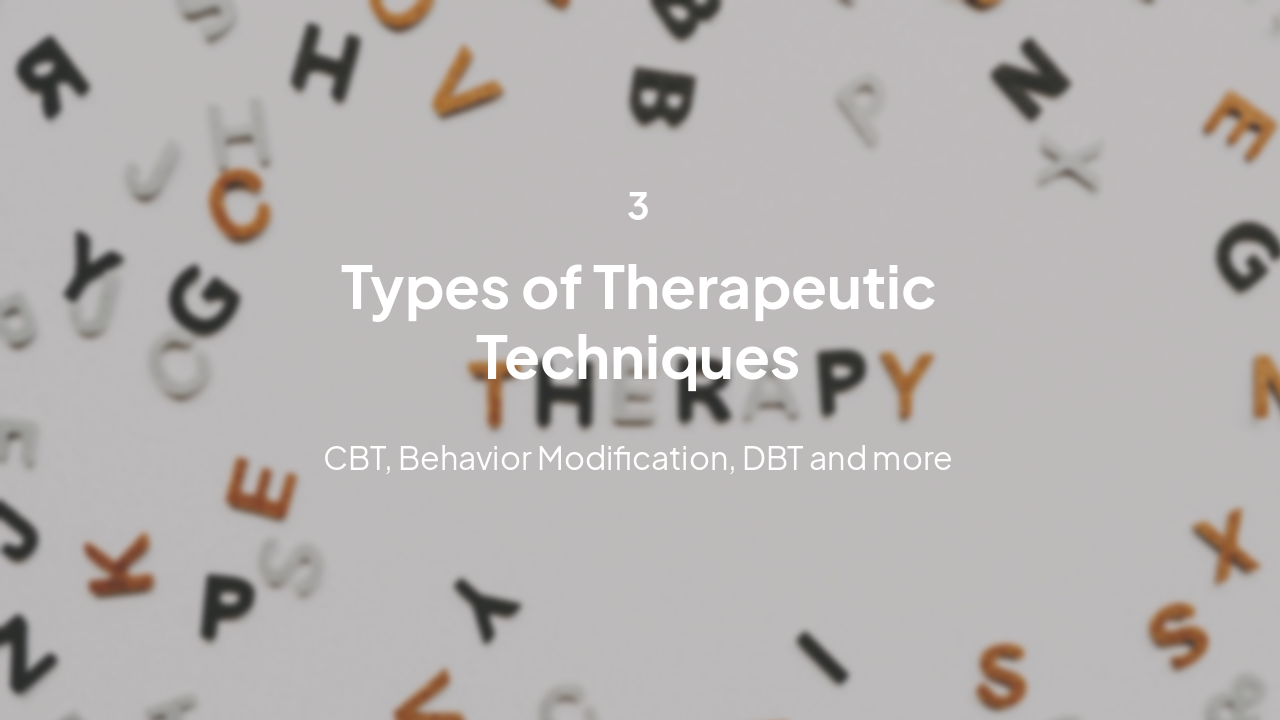
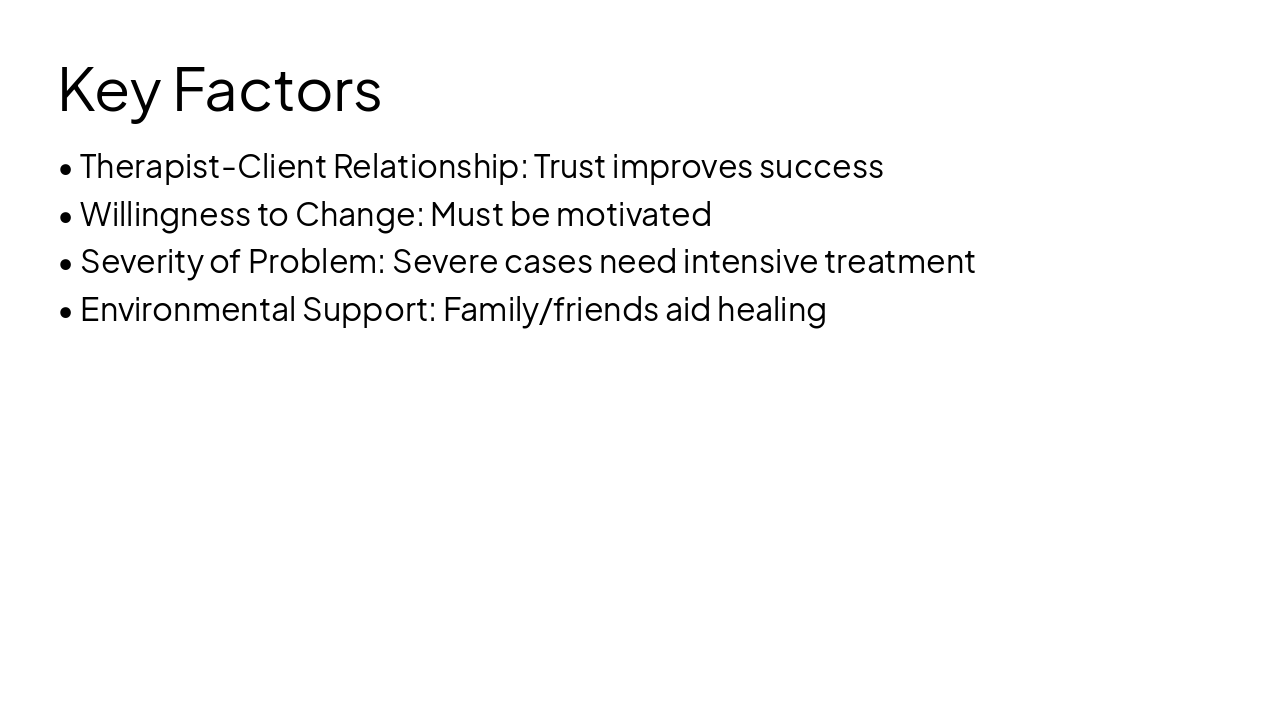
🧠 Cognitive Behavioral Therapy (CBT) Changes negative thoughts leading to unhealthy behaviors. Combines cognitive psychology and behaviorism. Evidence-based for many disorders.
⭐ Behavior Modification Uses rewards and consequences to encourage positive behavior.
⚖️ Dialectical Behavior Therapy (DBT) Helps with emotional regulation and improving relationships. Influenced by mindfulness.
> CBT is a 'problem-focused' and 'action-oriented' form of therapy... focuses on challenging and changing cognitive distortions.
— Cognitive Behavioral Therapy Wikipedia
---
Photo by Hal Gatewood on Unsplash
Source: Wikipedia: Cognitive behavioral therapy
4
Relationship, willingness, severity, support
---
Photo by Myles Bloomfield on Unsplash
5
Confidentiality, consent, boundaries, competence
---
Photo by Maksym Kaharlytskyi on Unsplash
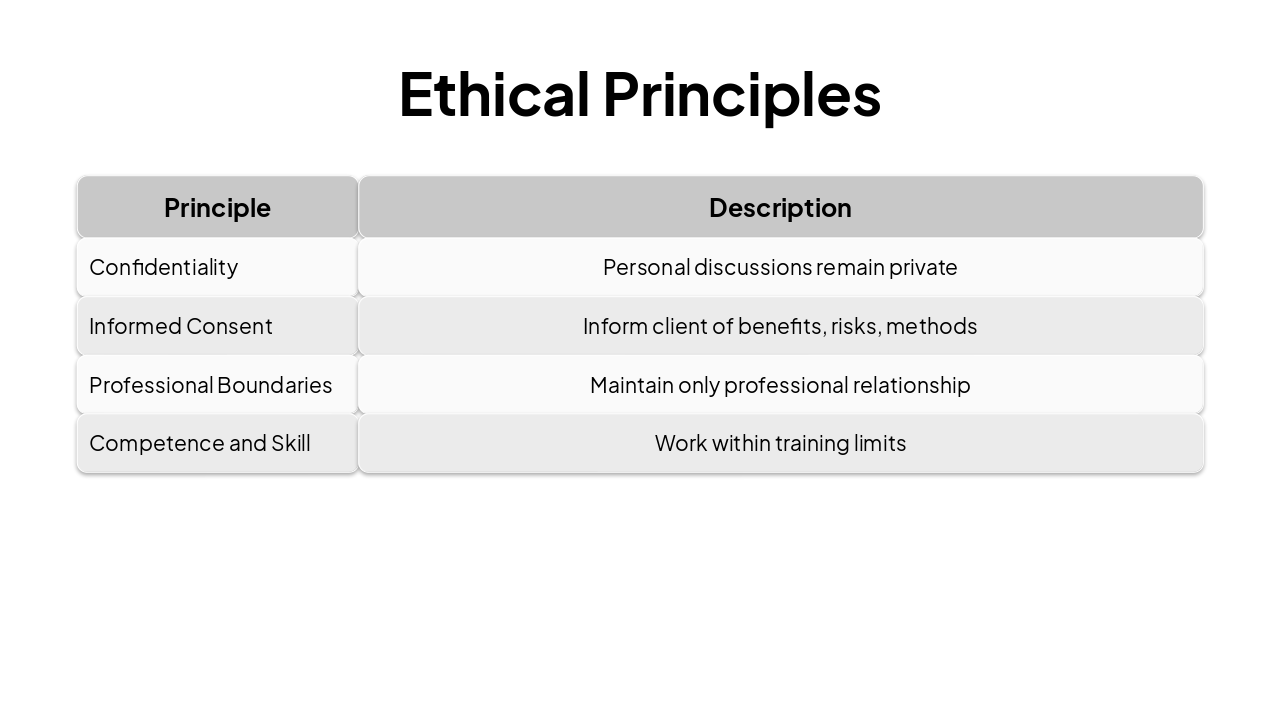
| Principle | Description |
|---|---|
| Confidentiality | Personal discussions remain private |
| Informed Consent | Inform client of benefits, risks, methods |
| Professional Boundaries | Maintain only professional relationship |
| Competence and Skill | Work within training limits |
6
Rigid patterns causing life difficulties; methods and criteria
---
Photo by Sasun Bughdaryan on Unsplash
7
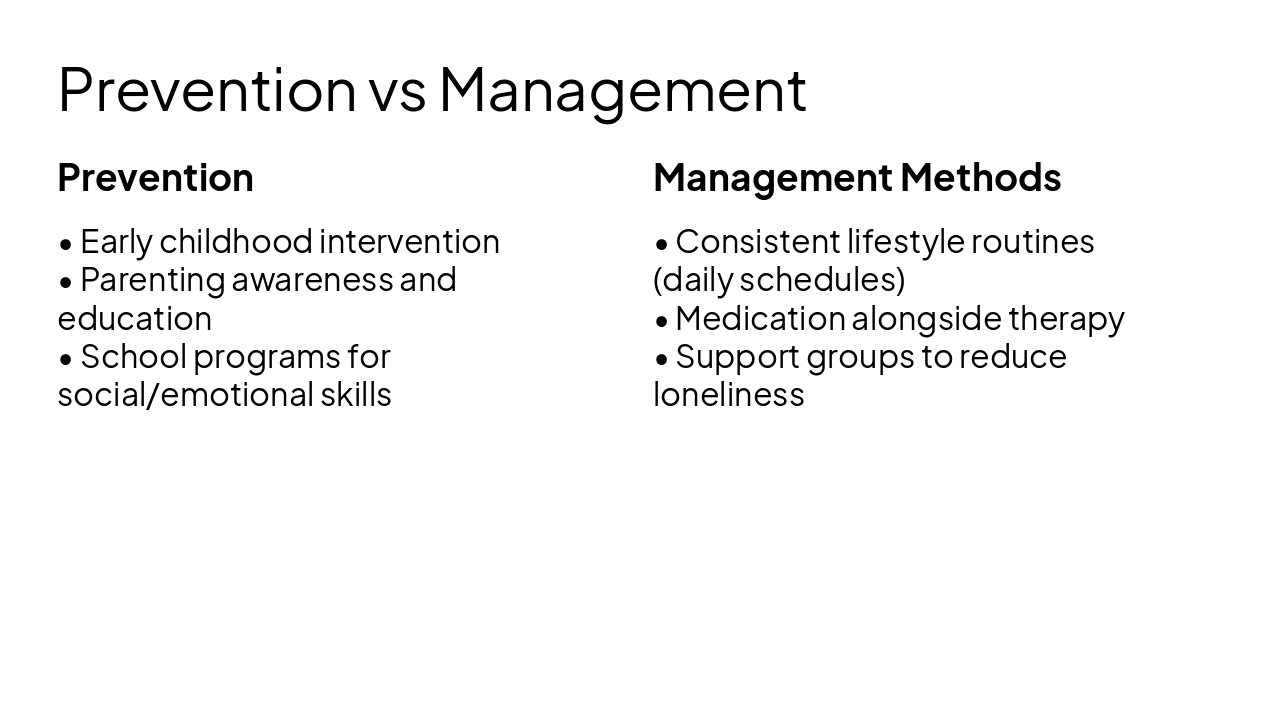
Early interventions, routines, medication, support groups
---
Photo by Ilya Semenov on Unsplash

Prevention
Management Methods
Therapy offers effective paths to manage behavioral disorders through collaboration, targeted techniques, and ethical practice.
Early intervention and support enhance outcomes.
---
Photo by Jan Huber on Unsplash

Explore thousands of AI-generated presentations for inspiration
Generate professional presentations in seconds with Karaf's AI. Customize this presentation or start from scratch.