Slide 1 of 10
Slide 1 - Reduction of Sealer Bubble
Reduction of Sealer Bubble
Optimizing Application Processes to Minimize Defects
Generated from prompt:
Fix and regenerate the presentation link for the 'Reduction of Sealer Bubble' presentation. Ensure the link is active and downloadable. Keep the same improved corporate structure and slides as previously described.
This presentation outlines the problem of sealer bubbles in production, conducts root cause analysis on factors like temperature, pressure, and nozzle design, proposes optimization strategies such as thermal management and redesigns, sets performance
Reduction of Sealer Bubble
Optimizing Application Processes to Minimize Defects
1
Understanding the impact of sealer bubbles in production.
2
Investigating the mechanical and environmental variables.
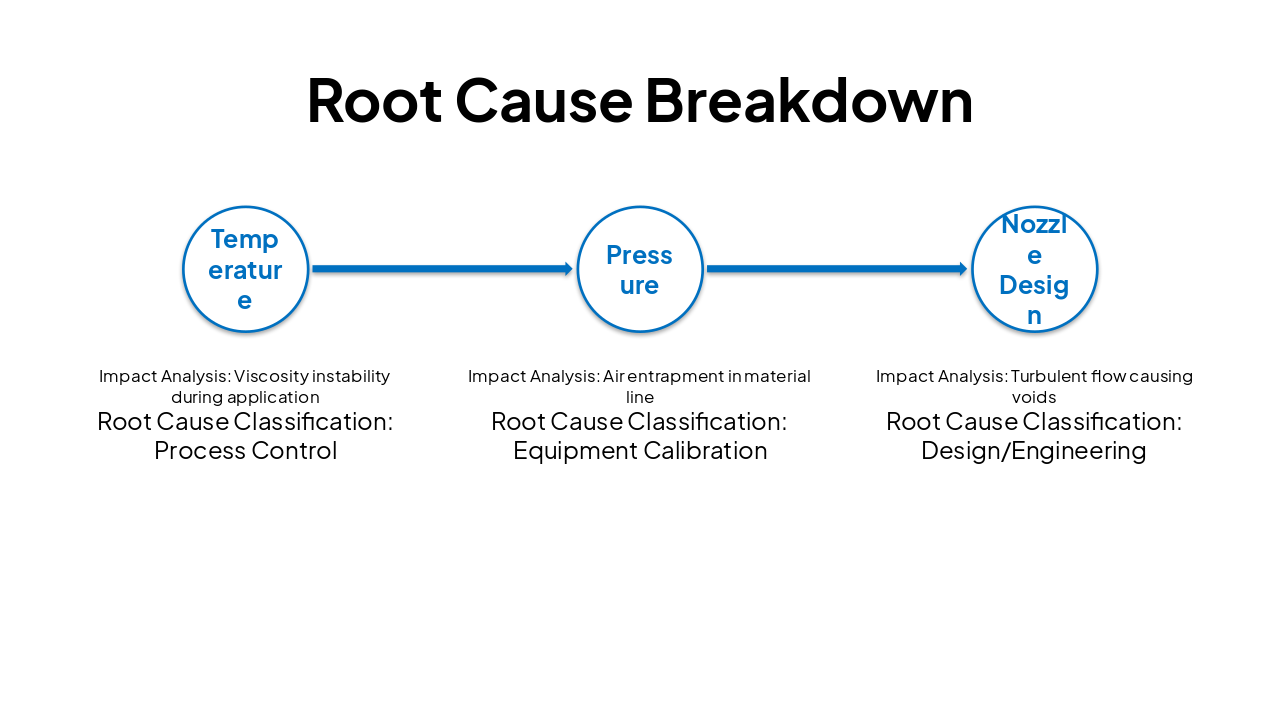
| Variable | Impact Analysis | Root Cause Classification |
|---|---|---|
| Temperature | Viscosity instability during application | Process Control |
| Pressure | Air entrapment in material line | Equipment Calibration |
| Nozzle Design | Turbulent flow causing voids | Design/Engineering |
3
Implementing engineering and procedural improvements.
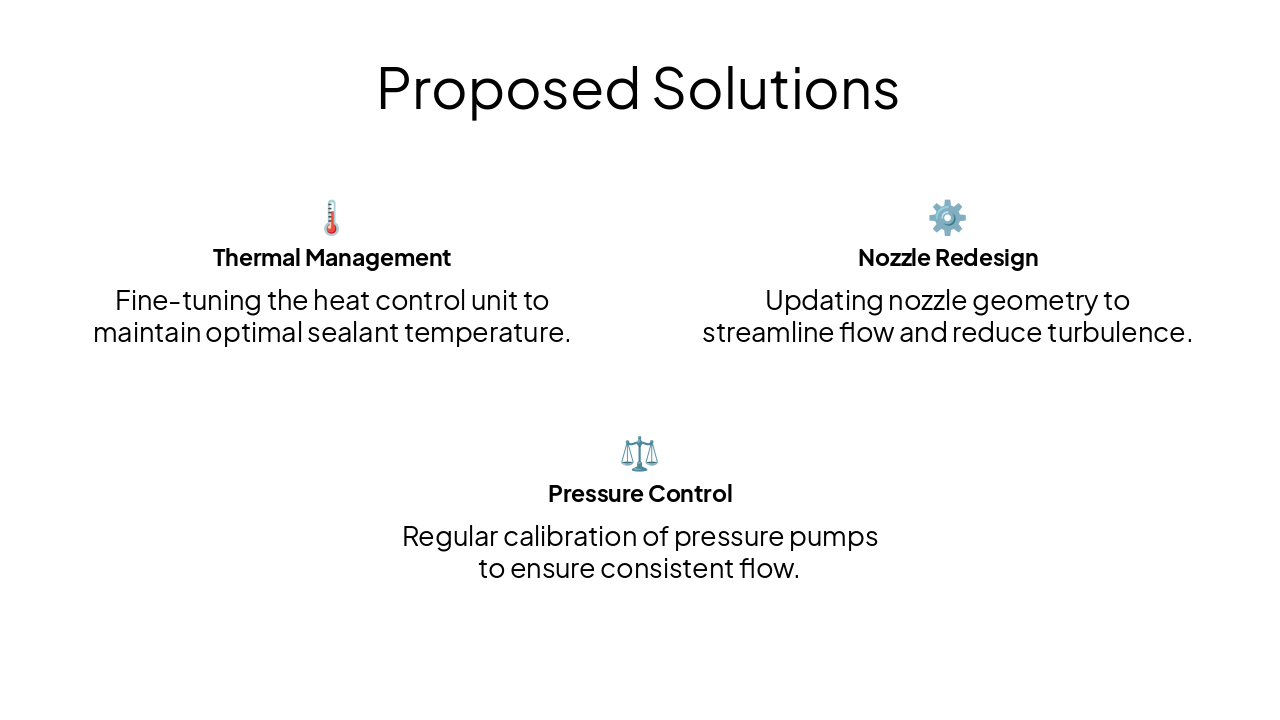
🌡️ Thermal Management Fine-tuning the heat control unit to maintain optimal sealant temperature.
⚙️ Nozzle Redesign Updating nozzle geometry to streamline flow and reduce turbulence.
⚖️ Pressure Control Regular calibration of pressure pumps to ensure consistent flow.
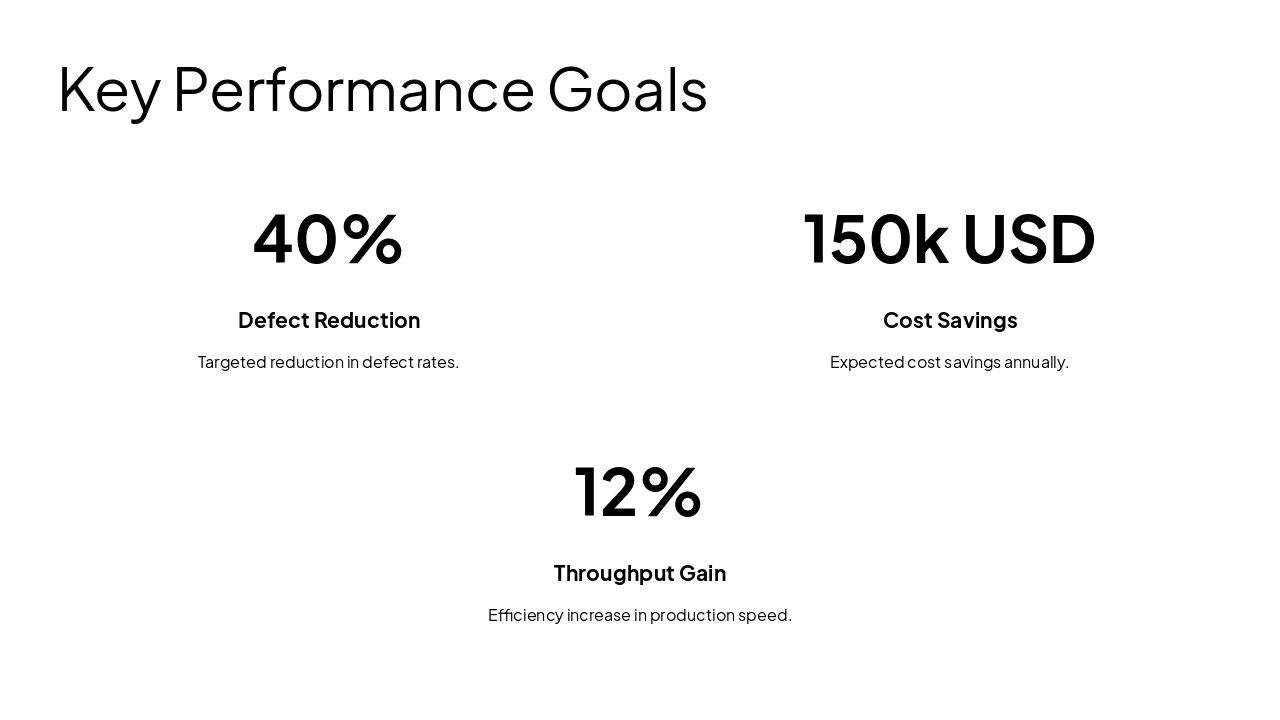
Implementation of these strategies will significantly improve product quality and reduce operational waste.
Commitment to quality and process excellence.
Explore thousands of AI-generated presentations for inspiration
Generate professional presentations in seconds with Karaf's AI. Customize this presentation or start from scratch.