Slide 1 - 健康生活,从积极心态开始
This title slide's main text reads "Healthy Life, Starting from a Positive Mindset." Its subtitle provides "Scientific Interpretation of Mental Health and Positive Thinking."
健康生活,从积极心态开始
心理健康与积极思维的科学解读

Generated from prompt:
🧠 健康生活——积极健康心态 汇报时长:约30分钟 目标受众:学生 汇报类型:科普 + 半学术 风格:明亮温暖、互动性强 🩷 一、引入部分(约5分钟) 1. 封面页: • 标题:健康生活,从积极心态开始 • 副标题:心理健康与积极思维的科学解读 • 演讲者信息 2. 引言互动:你有多了解自己的心态? • 提问或现场投票: “今天醒来第一件想到的事是什么?” • 引导学生认识“心态”对行为与情绪的影响 🌿 二、认识健康(约5分钟) 3. 什么是健康——WHO定义 • 健康不仅是“没有疾病” • 包括 身体健康 + 心理健康 + 社会适应 • 三维平衡模型展示 4. 积极与消极心态的区别 • 对比表:面对挑战、情绪反应、恢复能力 • 案例:考试失利后积极/消极学生的不同表现 🔬 三、科学依据(约5分钟) 5. 科学研究:心态如何影响身体 • 乐观者寿命更长10%,免疫力提升20% • 积极情绪可减少慢性病风险 • 用数据图表展示心理与生理的关系 6. 积极心理学视角:幸福的三要素 • 积极情绪 😊 • 投入(心流) 🌊 • 生活意义 🎯 • 简介 Seligman 理论 🎯 四、互动与实践(约10分钟) 7. 互动环节①:心态雷达图 • 学生自评情绪维度(快乐、愤怒、平静等) • 绘制个人心态图并讨论差异 8. 培养积极心态的五个方法 • 感恩日记 • 正念冥想 • 积极自我暗示 • 小目标积累成就感 • 规律运动 9. 互动环节②:60秒正念冥想体验 • 播放轻音乐,引导呼吸与觉察 • 引导语: “深吸一口气,感受当下的宁静。” 💪 五、总结与提升(约5分钟) 10. 压力与复原力 • 常见学生压力:学业、人际、家庭、未来 • 对策:乐观重构、正念呼吸、感恩练习、运动释放 11. 总结:积极心态=持续健康的核心动力 • 积极心态 → 行为改善 → 健康促进 → 良性循环 • 行动呼吁:每天感恩与正念实践 12. 结尾互动与问答 • 邀请学生分享自己的感悟 • 结束语: “不是因为快乐而感恩,而是因为感恩而快乐。” 🌼
面向学生科普积极心态如何促进身心健康:WHO三维健康定义、科学数据支持(如乐观延长寿命)、Seligman幸福要素、互动雷达图&正念体验、5种培养方法、对学生压力对策,呼吁感恩实践,形成良性循环。(128字)
This title slide's main text reads "Healthy Life, Starting from a Positive Mindset." Its subtitle provides "Scientific Interpretation of Mental Health and Positive Thinking."
心理健康与积极思维的科学解读

This slide, titled "Introduction Interaction: How Well Do You Know Your Own Mindset?", engages participants by asking about their first thought upon waking today and conducting on-site voting to share those thoughts. It prompts discussion on how mindset influences behavior, highlights that mindset shapes emotions and actions, and encourages interactive self-awareness starting now.
Source: 🧠 健康生活——积极健康心态

This section header slide is titled "I. Understanding Health" (一、认识健康). It features the subtitle: WHO definition as a comprehensive balance of body, mind, and society (身体、心理、社会全面平衡).
一
WHO定义:身体、心理、社会全面平衡
Source: 健康生活——积极健康心态

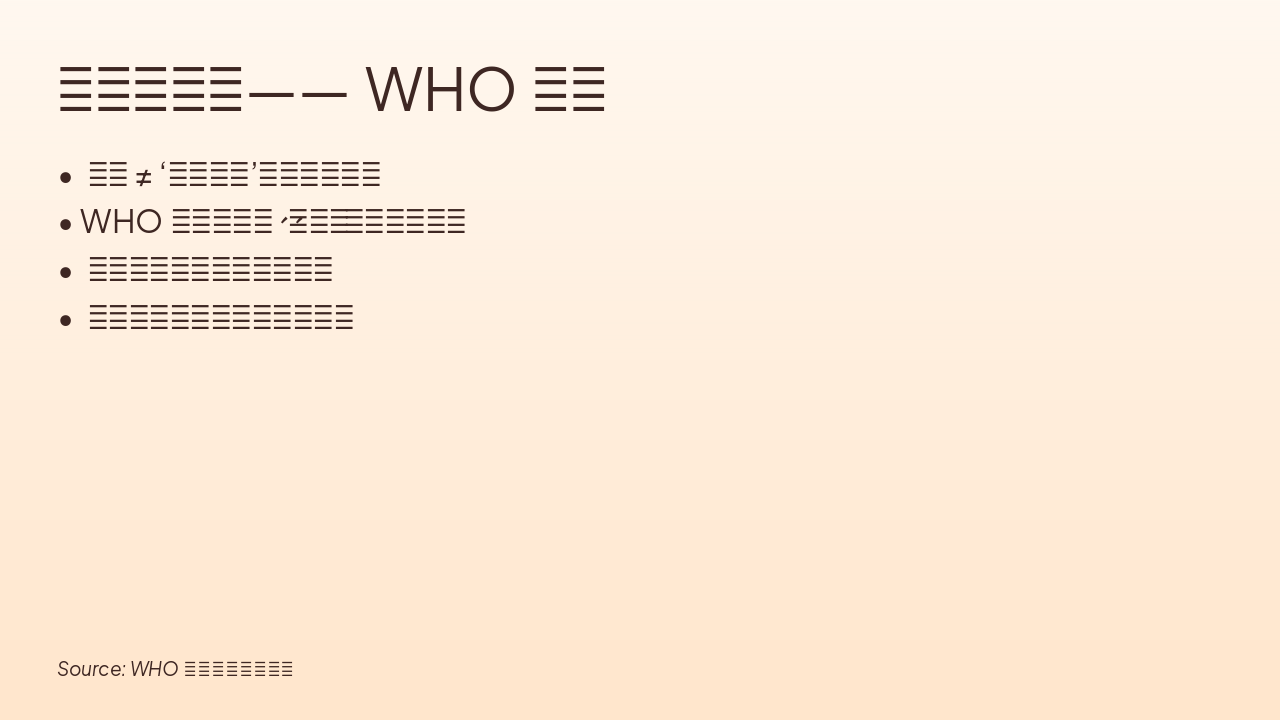
The slide challenges the misconception that health means simply lacking disease, instead presenting the WHO definition as complete physical, psychological, and social well-being. It highlights three-dimensional balance across body, mind, and society, with a model illustrating dynamic equilibrium as true health.
Source: WHO(世界卫生组织)

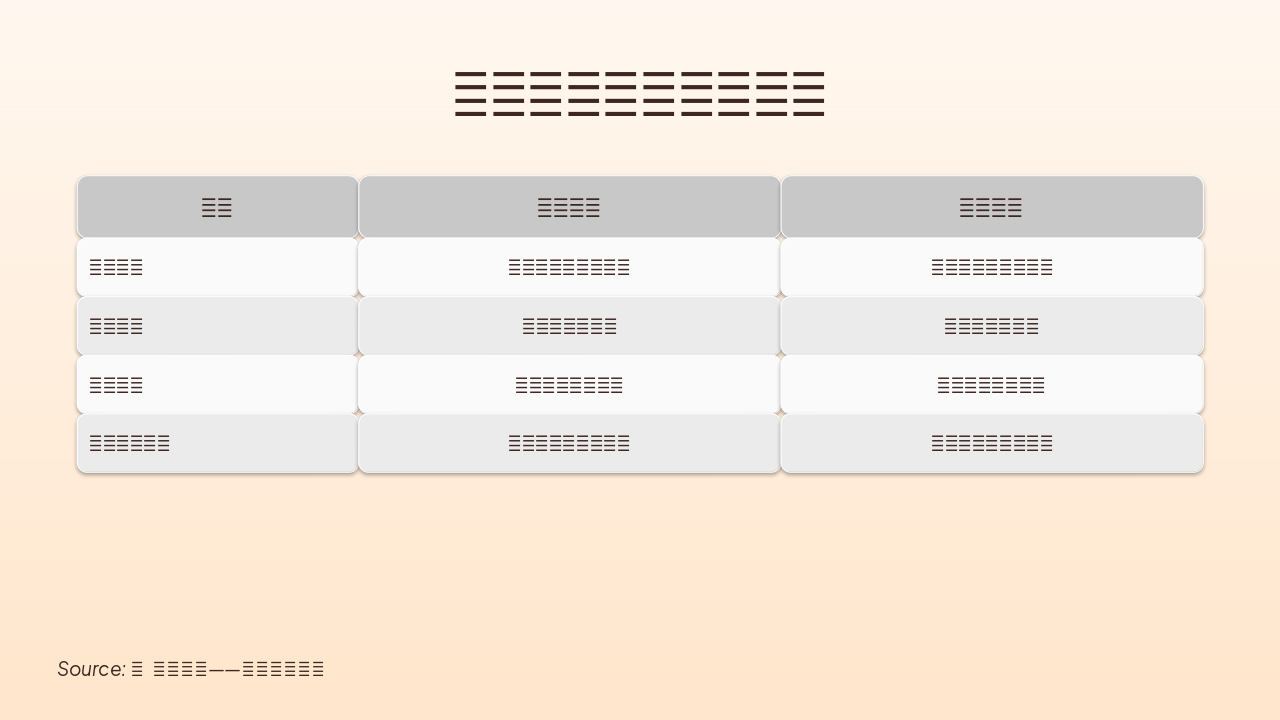
The slide features a table comparing positive and negative mindsets across four dimensions: facing challenges, emotional responses, resilience, and exam failure examples. Positive mindsets treat challenges as opportunities with quick recovery and persistence, while negative ones view them as threats with prolonged pessimism and self-blame.
{ "headers": [ "维度", "积极心态", "消极心态" ], "rows": [ [ "面对挑战", "视作机会,主动应对", "视作威胁,避免逃避" ], [ "情绪反应", "乐观,积极情绪", "悲观,消极主导" ], [ "恢复能力", "快速反弹,韧性强", "久陷低谷,恢复慢" ], [ "考试失利案例", "调整心态,继续努力", "自责沮丧,影响后续" ] ] }
Source: 🧠 健康生活——积极健康心态

This section header slide, titled "Healthy Life, Starting from a Positive Mindset," introduces Section II on the "Scientific Basis." The subtitle explores "How does mindset affect the body? Scientific research data and positive psychology perspective."
二
心态如何影响身体?科学研究数据与积极心理学视角
Source: 🧠 健康生活——积极健康心态

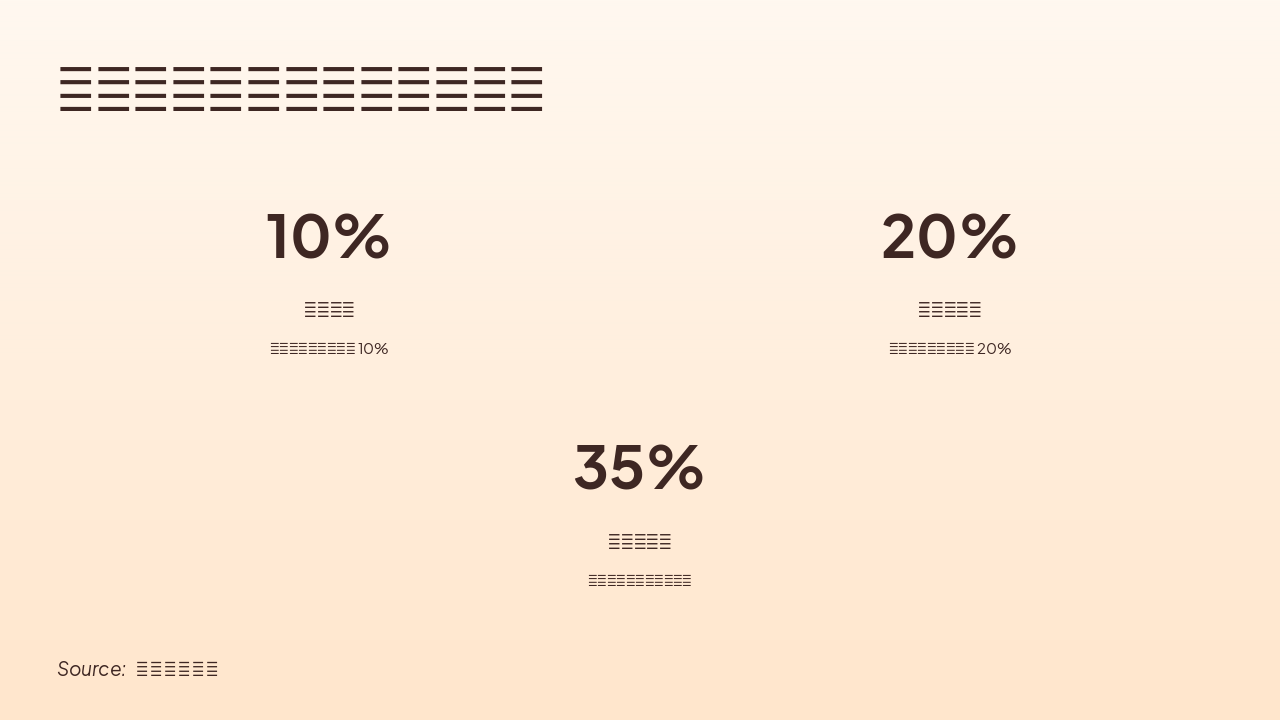
Scientific research shows that optimists live 10% longer on average and enjoy a 20% boost in immunity. Positive emotions also reduce chronic disease risk by 35%.
乐观者平均寿命延长10%
乐观心态增强免疫力20%
积极情绪降低慢性病风险 Source: 多项科学研究

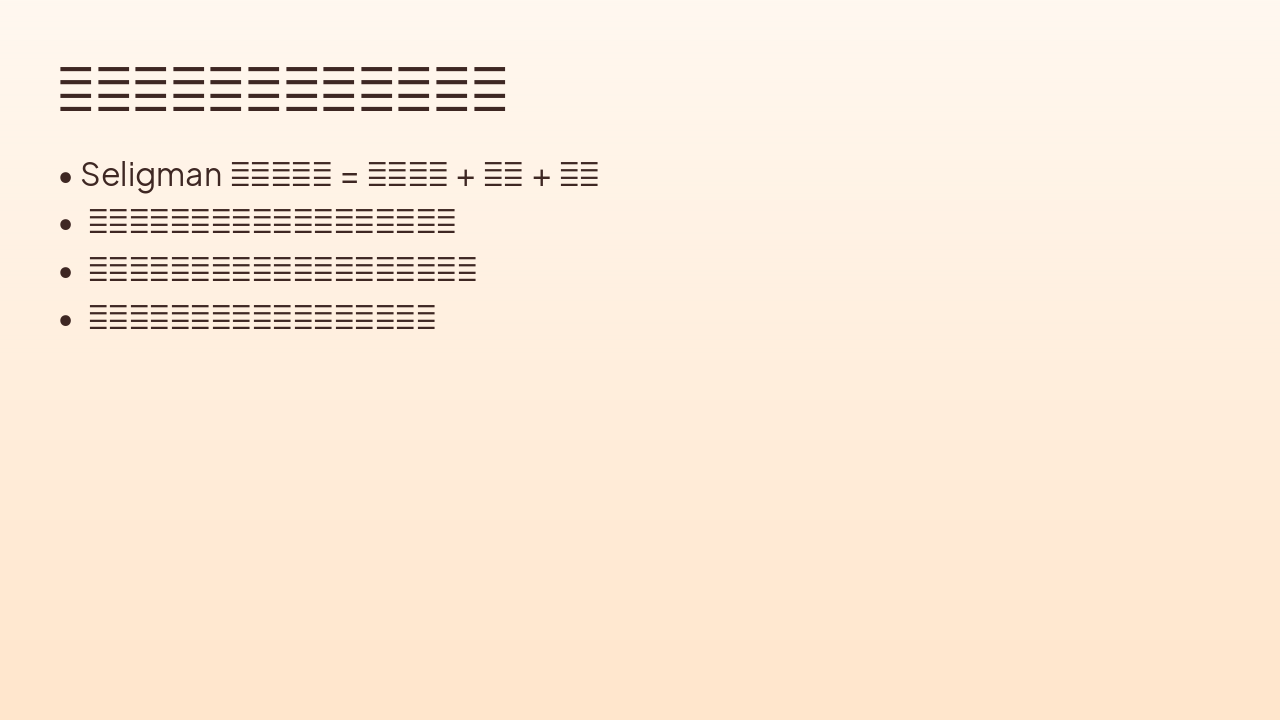
Seligman's theory in positive psychology defines happiness as the combination of positive emotions, engagement, and meaning. Positive emotions involve enjoying the present for satisfaction and vitality; engagement is the immersive "flow" state of full concentration; and meaning pursues values beyond self-realization.

This slide presents Section Three: Interaction and Practice. It outlines approximately 10 minutes for mindset self-assessment, mindfulness meditation, and practice methods.
三
约10分钟:心态自评、正念冥想与实践方法

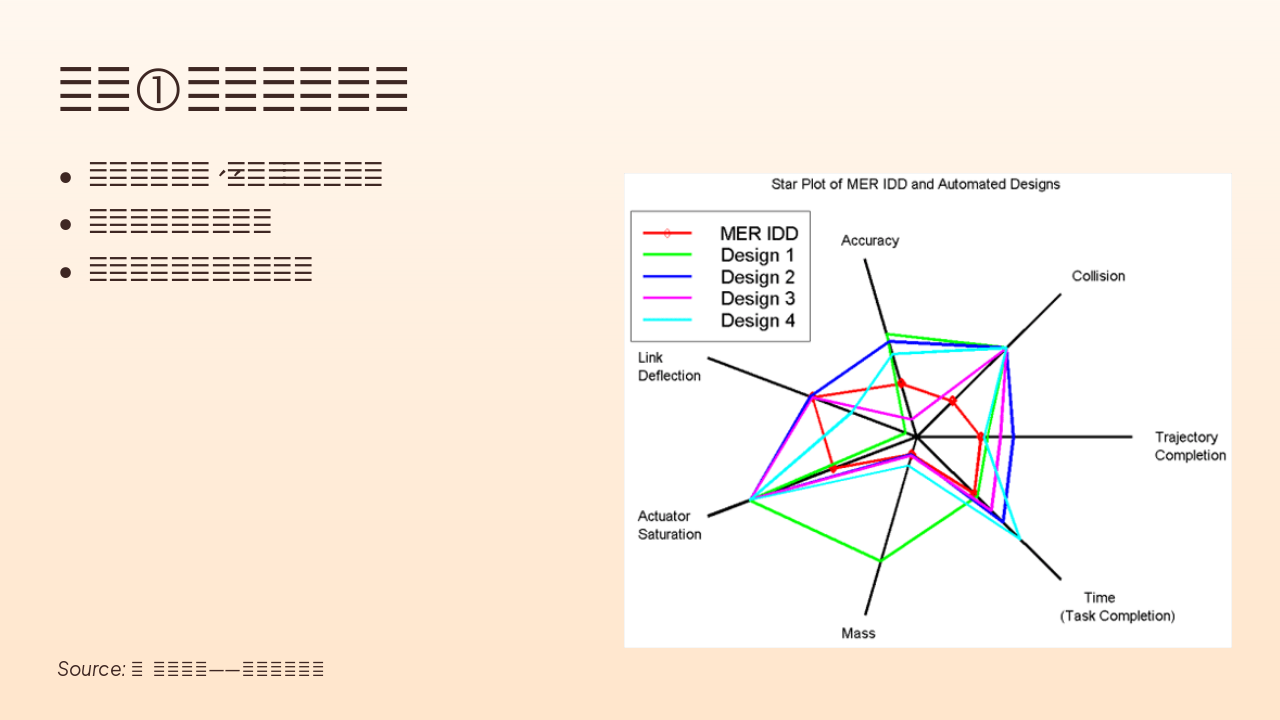
This slide, titled "Interaction 1: Mindset Radar Chart," guides students to self-assess emotional dimensions like happiness, anger, and calmness. They then draw personal radar charts and discuss mindset differences in small groups.
Source: 🧠 健康生活——积极健康心态

This slide features a grid of five methods to cultivate a positive mindset, each with an icon, heading, and brief description. They include daily gratitude journaling, mindfulness meditation, positive self-affirmations, accumulating small goals, and regular exercise to boost happiness, stability, confidence, achievement, and vitality.
{ "features": [ { "icon": "🙏", "heading": "感恩日记", "description": "每天记录三件感恩事,培养持久积极情绪,提升幸福感。" }, { "icon": "🧘", "heading": "正念冥想", "description": "专注呼吸觉察当下,减少负面思绪,增强情绪稳定性。" }, { "icon": "💭", "heading": "积极自我暗示", "description": "重复正面话语,重塑思维,提升自信与乐观心态。" }, { "icon": "🎯", "heading": "小目标积累", "description": "设定每日小目标,逐步完成,积累成就感和动力。" }, { "icon": "💪", "heading": "规律运动", "description": "每周三次运动,释放内啡肽,自然改善心情与活力。" } ] }
Source: 🧠 健康生活——积极健康心态

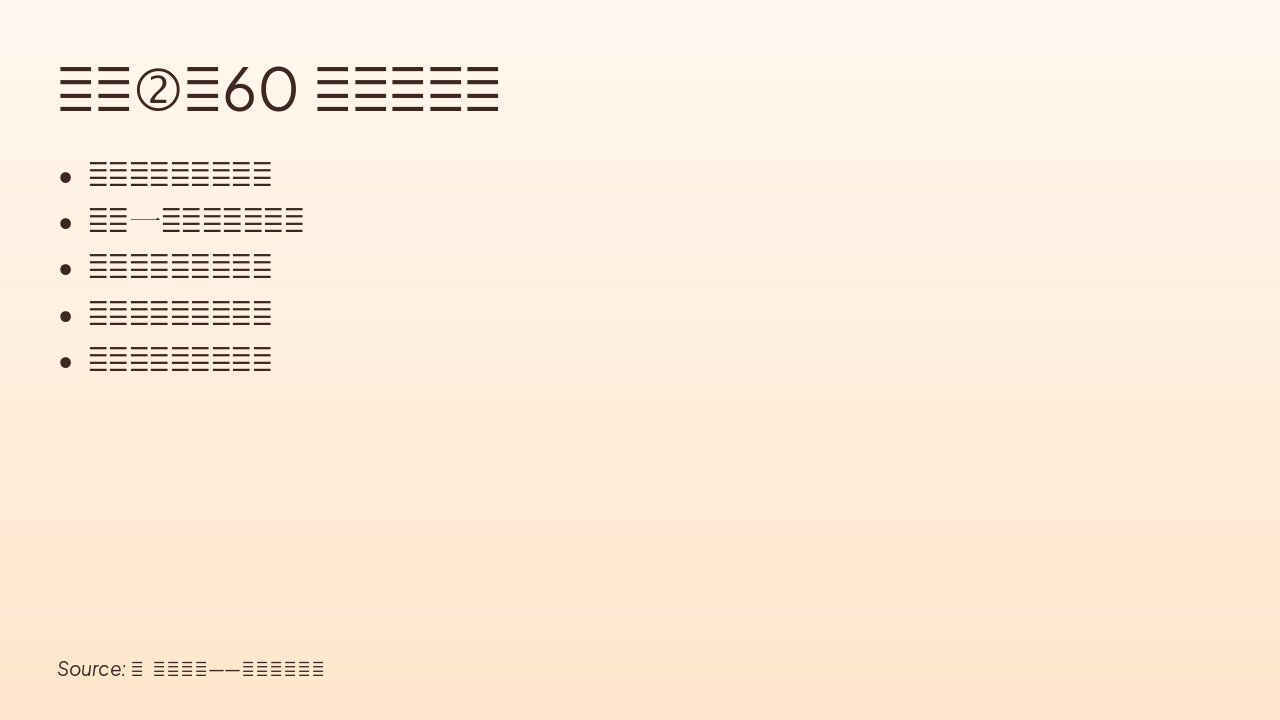
This slide, titled "Interactive ②: 60-Second Mindfulness Meditation," guides a brief breathing exercise. It instructs gently closing eyes to relax, deep inhales for tranquility, slow exhales to release tension, focusing on breath in the present, and feeling inner peace and warmth.
Source: 🧠 健康生活——积极健康心态

This section header slide, titled "Healthy Life - Positive Healthy Mindset," introduces Section IV. It presents the section title "Summary and Enhancement" with a subtitle on stress management, resilience cultivation, and a call to healthy action.
四
压力管理、复原力培养与健康行动呼吁
Source: 学生科普汇报

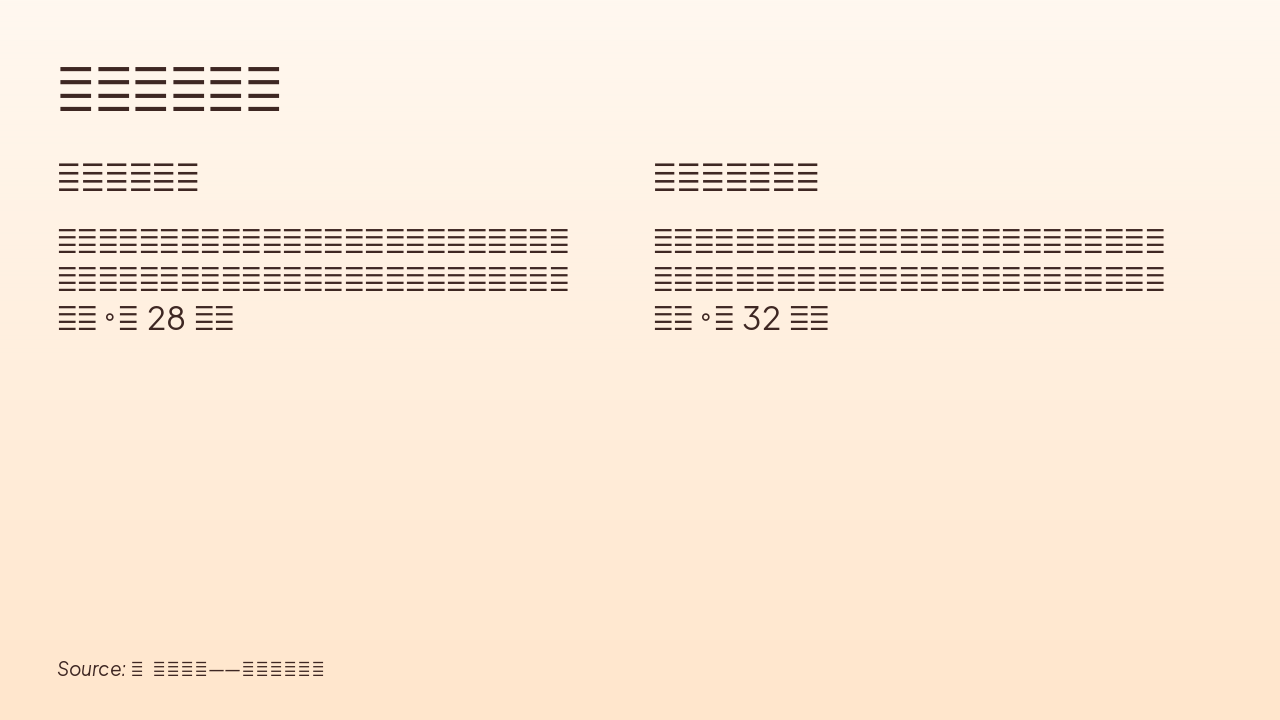
The slide's left column lists common student stresses, such as heavy academic loads, exam anxiety, interpersonal conflicts, high family expectations, and future uncertainties. The right column offers resilience-building strategies, including optimistic reframing, mindfulness breathing, gratitude exercises, and regular physical activity.
| 常见学生压力 | 复原力提升对策 |
|---|---|
| 学业负担沉重,考试焦虑频发;人际关系复杂,友谊冲突不断;家庭期望高,沟通压力大;未来规划迷茫,不确定性强。(28字) | 乐观重构:转变负面视角;正念呼吸:当下专注放松;感恩练习:记录每日小确幸;规律运动:释放内啡肽,增强韧性。(32字) |
Source: 🧠 健康生活——积极健康心态

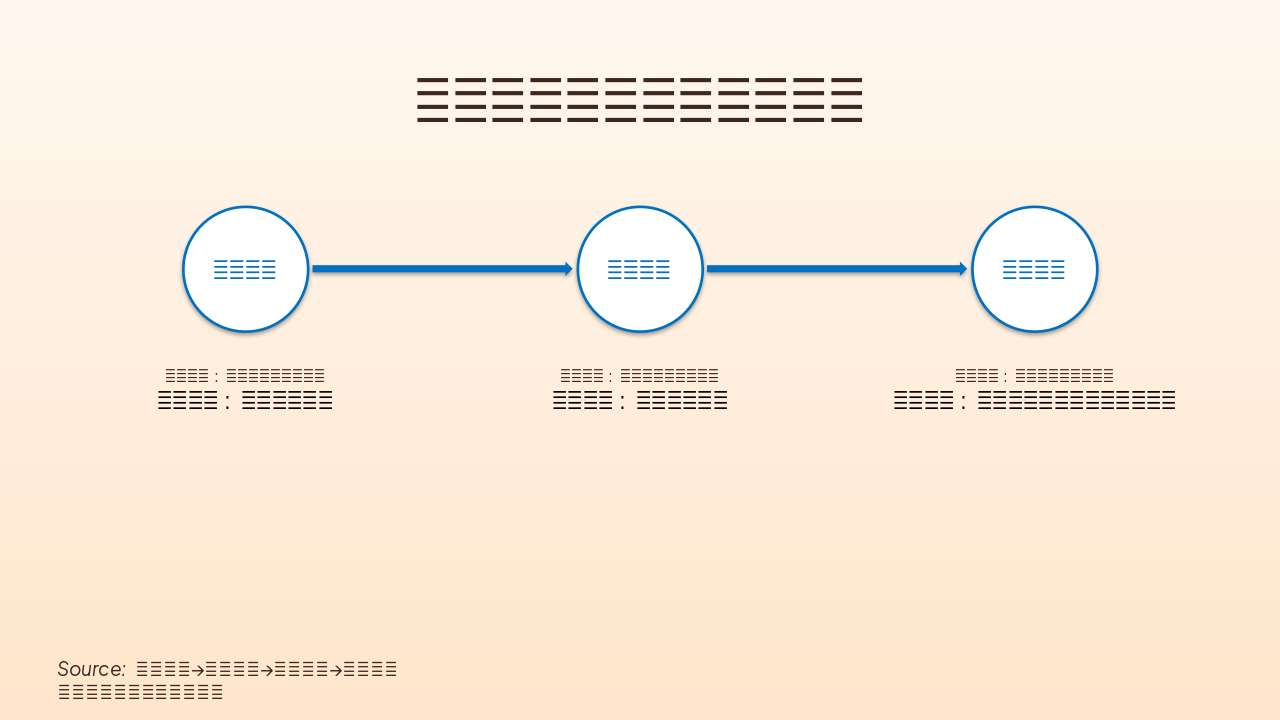
The slide depicts a workflow cycle starting with a positive mindset fostered through gratitude and mindfulness practices, which drives behavior improvements via healthy actions and habits. This promotes physical and mental health by enhancing immunity and resilience, forming a virtuous loop that reinforces the initial positive mindset.
{ "headers": [ "阶段", "关键过程", "预期结果" ], "rows": [ [ "积极心态", "通过感恩与正念实践", "驱动行为改善" ], [ "行为改善", "选择健康行动与习惯", "促进身心健康" ], [ "健康促进", "增强免疫力与恢复力", "形成良性循环,回归积极心态" ] ] }
Source: 积极心态→行为改善→健康促进→良性循环 行动呼吁:每天感恩与正念

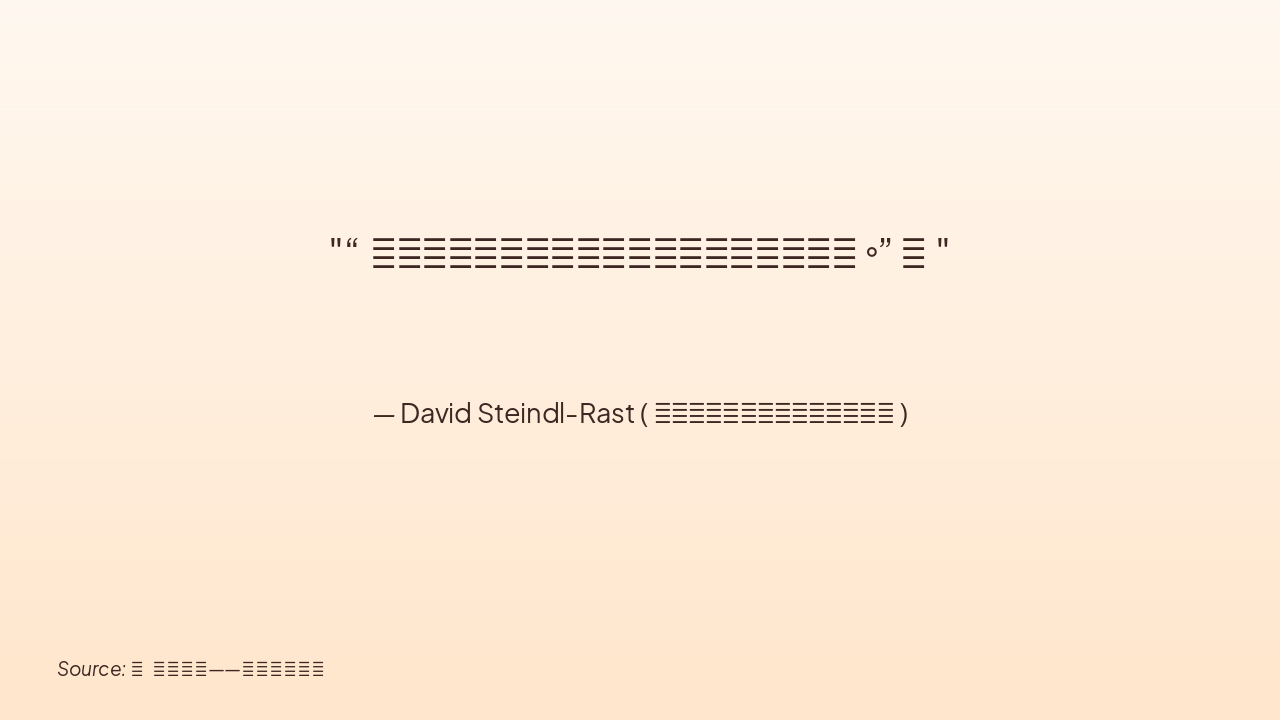
This slide, titled "结尾互动与问答" (Closing Interaction and Q&A), features a quote from David Steindl-Rast, a Benedictine monk and positive psychology advocate. The quote states: "不是因为快乐而感恩,而是因为感恩而快乐" (Not grateful because happy, but happy because grateful), accompanied by a flower emoji.
> “不是因为快乐而感恩,而是因为感恩而快乐。” 🌼
— David Steindl-Rast (本笃会修士,积极心理学倡导者)
Source: 🧠 健康生活——积极健康心态

Generate professional presentations in seconds with Karaf's AI. Customize this presentation or start from scratch.