Mental Health & Substance Abuse in Law Enforcement

Generated from prompt:

Create a 12-slide presentation titled 'Mental Health & Substance Abuse in Law Enforcement' based on the provided outline. Include slides: title, mental health stats in justice system, types of mental illness, substance abuse stats, impact on law enforcement, why it matters, co-occurring disorders, co-occurring data, stigma definition, impact of stigma, resources for law enforcement, references (APA). Include concise bullet points and speaker notes for each slide.

This presentation examines the prevalence of mental health issues like PTSD, depression, and burnout, alongside substance abuse among law enforcement officers. It covers statistics, impacts, co-occurring disorders, stigma barriers, and available资源包括C

March 18, 202612 slides
Slide 1 of 12

Slide 1 - Mental Health & Substance Abuse in Law Enforcement

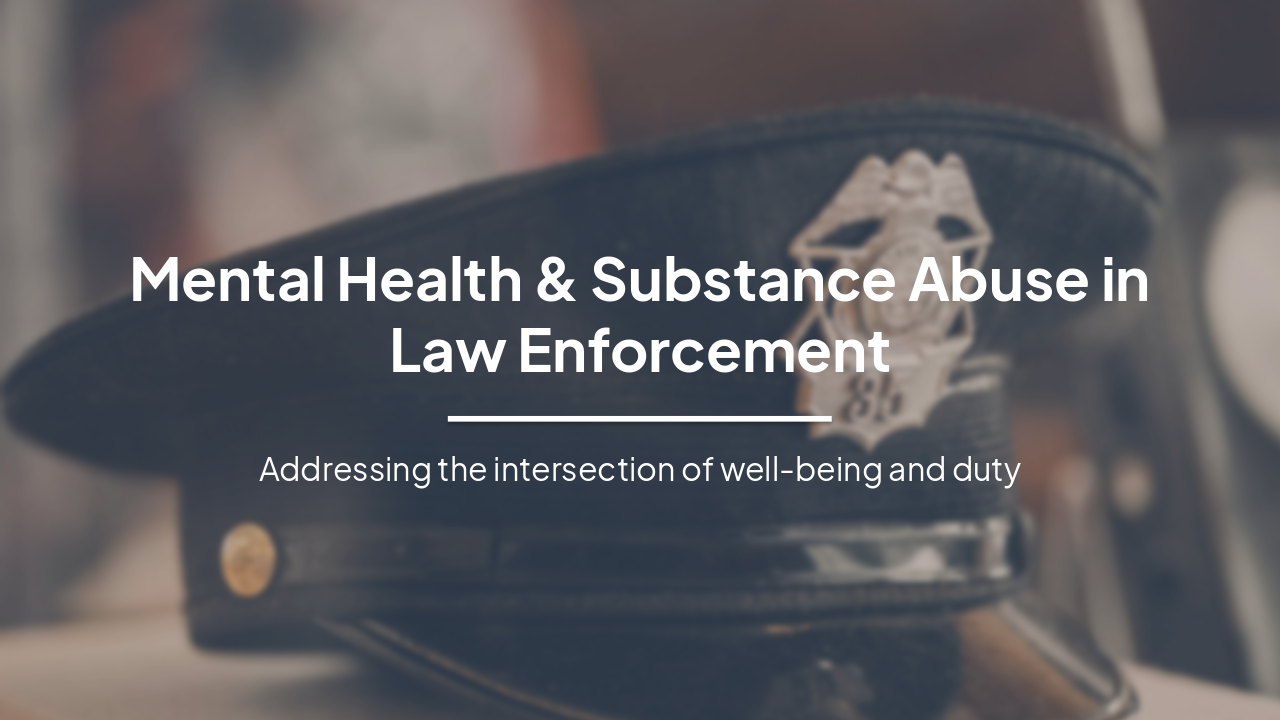
Mental Health & Substance Abuse in Law Enforcement

Addressing the intersection of well-being and duty

---

Photo by R.D. Smith on Unsplash
Slide 1 - Mental Health & Substance Abuse in Law Enforcement
Slide 2 of 12

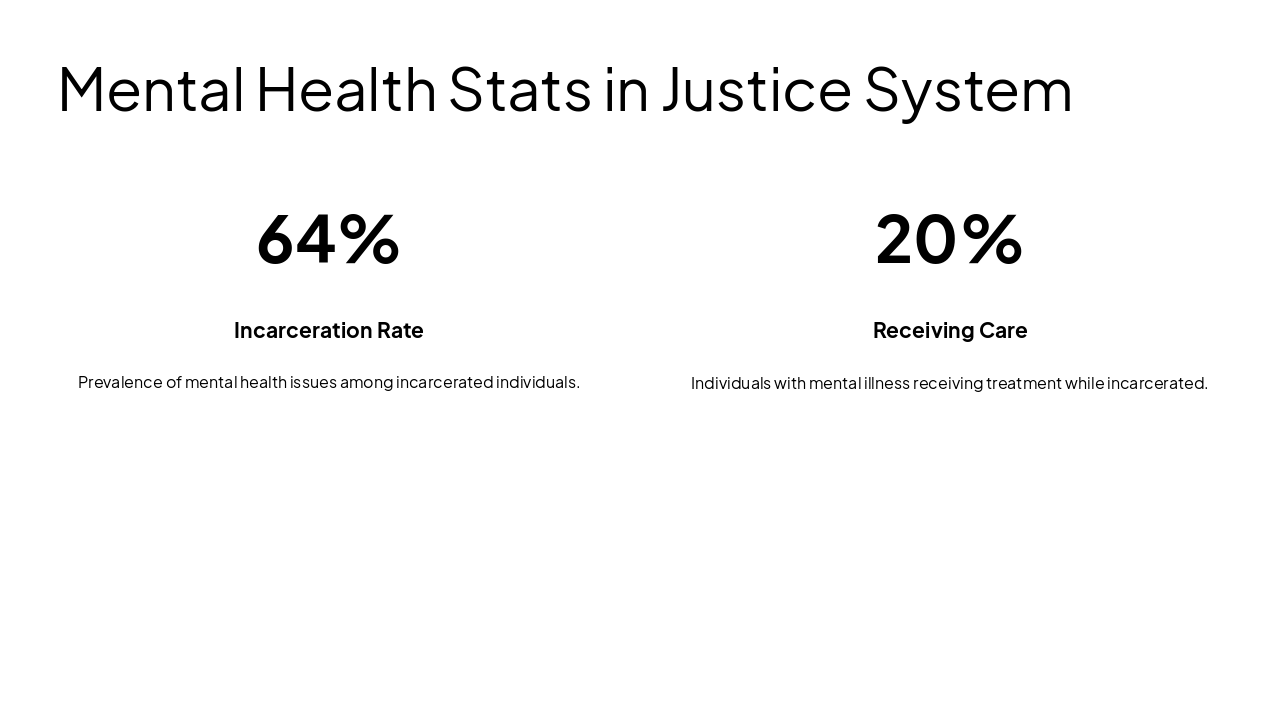
Slide 2 - Mental Health Stats in Justice System

  • 64%: Incarceration Rate
  • 20%: Receiving Care
Slide 2 - Mental Health Stats in Justice System
Slide 3 of 12

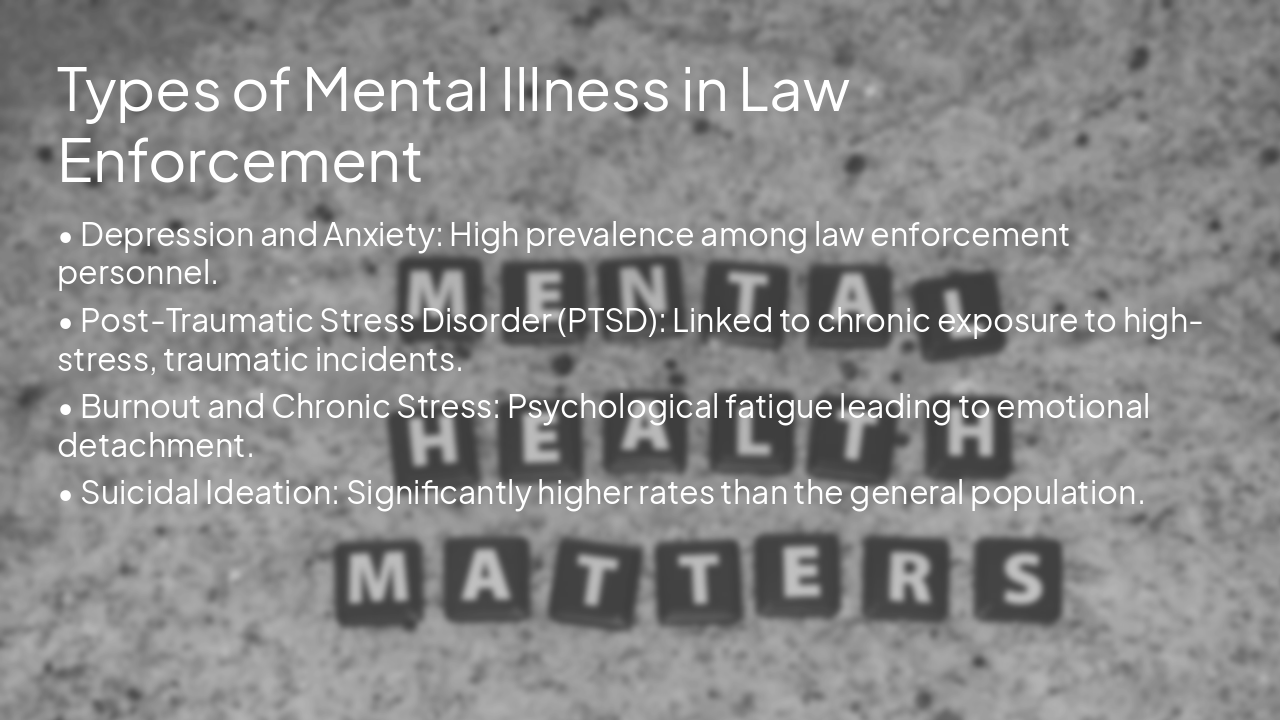
Slide 3 - Types of Mental Illness in Law Enforcement

  • Depression and Anxiety: High prevalence among law enforcement personnel.
  • Post-Traumatic Stress Disorder (PTSD): Linked to chronic exposure to high-stress, traumatic incidents.
  • Burnout and Chronic Stress: Psychological fatigue leading to emotional detachment.
  • Suicidal Ideation: Significantly higher rates than the general population.

---

Photo by Marcel Strauß on Unsplash
Slide 3 - Types of Mental Illness in Law Enforcement
Slide 4 of 12

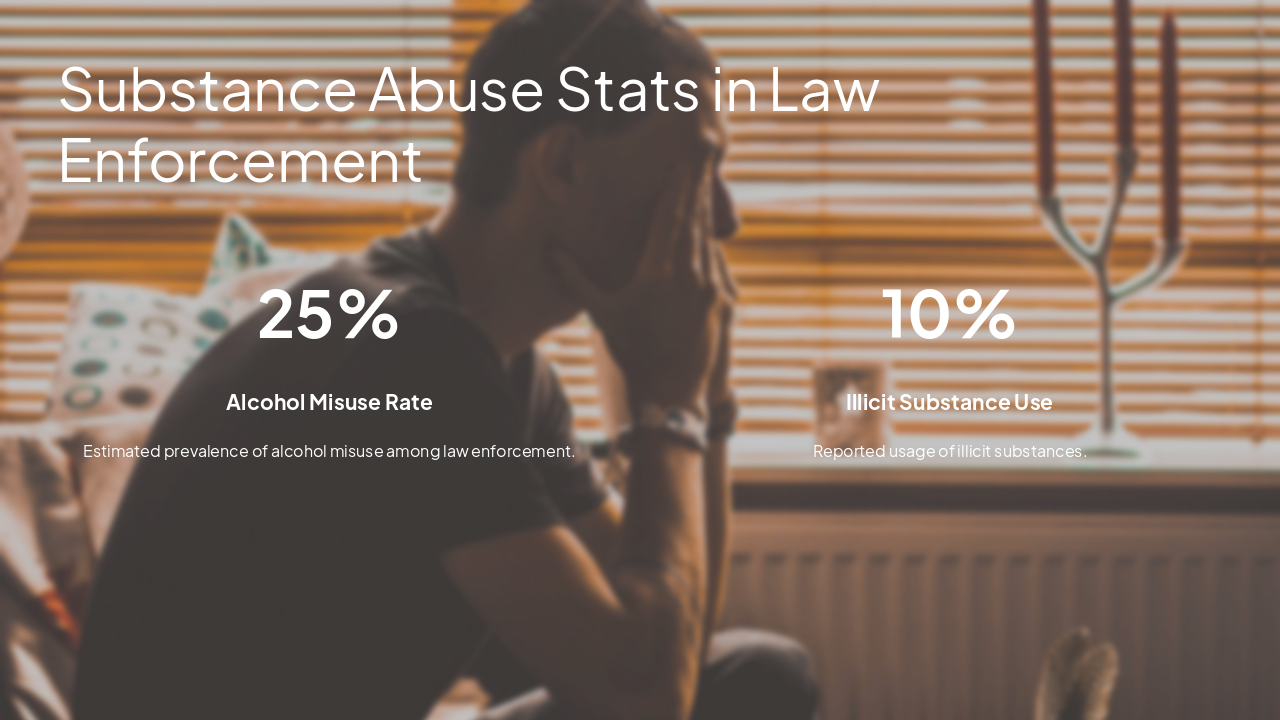
Slide 4 - Substance Abuse Stats in Law Enforcement

  • 25%: Alcohol Misuse Rate
  • 10%: Illicit Substance Use

---

Photo by christopher lemercier on Unsplash
Slide 4 - Substance Abuse Stats in Law Enforcement
Slide 5 of 12

Slide 5 - Impact of Substance Abuse on Law Enforcement

  • Impaired Decision-Making: Substance use affects cognitive function during critical situations.
  • Reduced Public Trust: Impact on interactions with community members.
  • Professional Consequences: Disciplinary action, loss of badge, or career termination.
  • Health Complications: Increased risk of long-term physical and psychological harm.

---

Photo by Addy Spartacus on Unsplash
Slide 5 - Impact of Substance Abuse on Law Enforcement
Slide 6 of 12

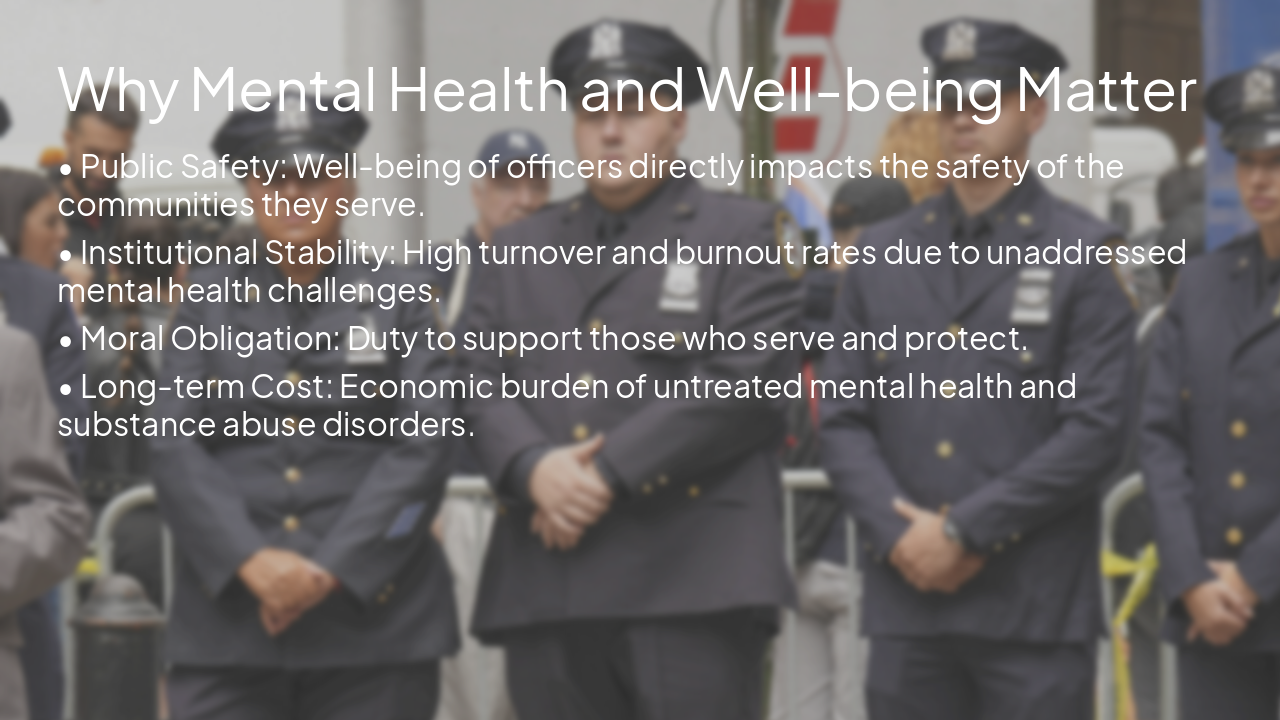
Slide 6 - Why Mental Health and Well-being Matter

  • Public Safety: Well-being of officers directly impacts the safety of the communities they serve.
  • Institutional Stability: High turnover and burnout rates due to unaddressed mental health challenges.
  • Moral Obligation: Duty to support those who serve and protect.
  • Long-term Cost: Economic burden of untreated mental health and substance abuse disorders.

---

Photo by Olek Buzunov on Unsplash
Slide 6 - Why Mental Health and Well-being Matter
Slide 7 of 12

Slide 7 - Co-occurring Disorders: A Dual Diagnosis

  • Dual Diagnosis: Presence of both mental health and substance abuse disorders.
  • Self-medication: Use of substances to mask symptoms of mental health distress.
  • Vicious Cycle: Substance use worsens mental health symptoms, leading to further substance use.
  • Integrated Treatment: Necessity of treating both conditions simultaneously for recovery.

---

Photo by Marcel Strauß on Unsplash
Slide 7 - Co-occurring Disorders: A Dual Diagnosis
Slide 8 of 12

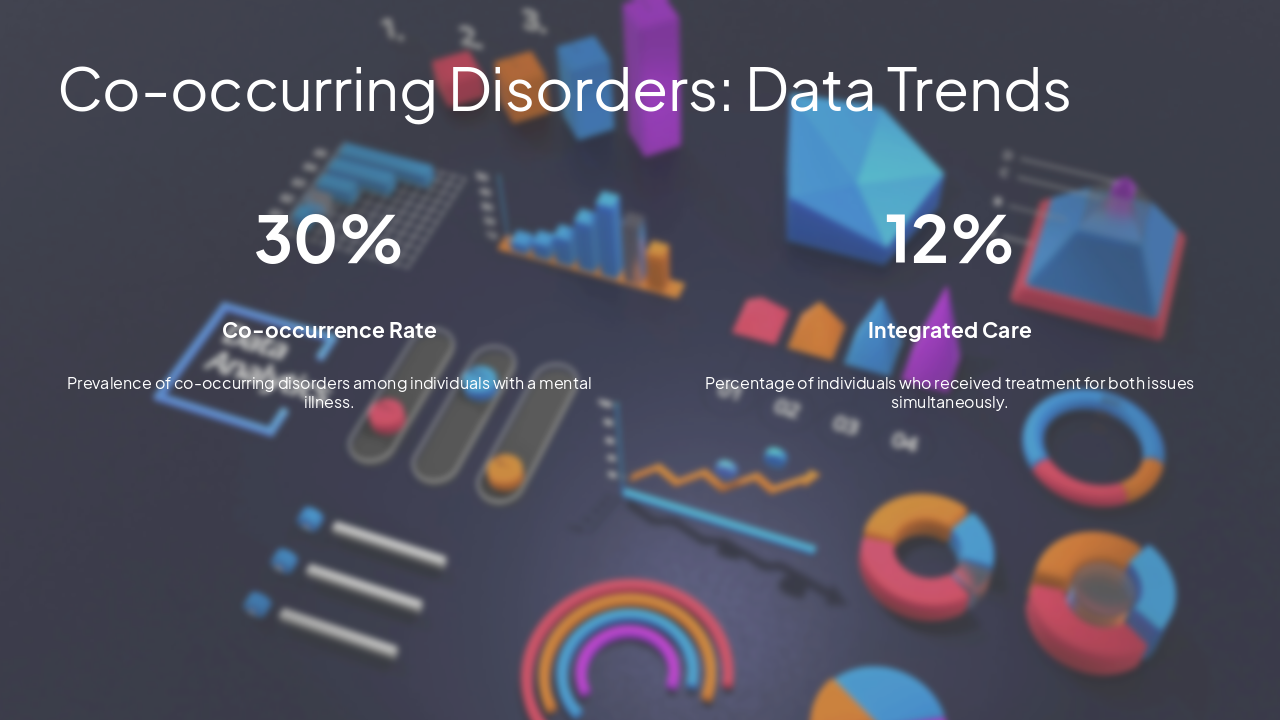
Slide 8 - Co-occurring Disorders: Data Trends

  • 30%: Co-occurrence Rate
  • 12%: Integrated Care

---

Photo by Deng Xiang on Unsplash

Slide 8 - Co-occurring Disorders: Data Trends
Slide 9 of 12

Slide 9 - Defining Stigma

> Stigma is a deeply discrediting attribute that results in the devaluation of an individual, leading to social exclusion and internalized shame.

— Erving Goffman

---

Photo by Sasun Bughdaryan on Unsplash
Slide 9 - Defining Stigma
Slide 10 of 12

Slide 10 - The Impact of Stigma

  • Reduced Help-Seeking: Fear of being viewed as weak or incapable.
  • Isolation: Emotional detachment from peers and support networks.
  • Delayed Intervention: Conditions deteriorate due to lack of early treatment.
  • Institutional Barriers: Unspoken rules that discourage vulnerability.

---

Photo by Rebecca Mosca on Unsplash
Slide 10 - The Impact of Stigma
Slide 11 of 12

Slide 11 - Resources for Law Enforcement

  • Crisis Intervention Teams (CIT): Programs that train officers to recognize and manage mental health crises.
  • Peer Support Networks: Trained peers providing confidential and understanding support.
  • Employee Assistance Programs (EAPs): Professional, confidential mental health services.
  • NAMI Law Enforcement Resources: External support and educational materials.

---

Photo by Scott Rodgerson on Unsplash
Slide 11 - Resources for Law Enforcement
Slide 12 of 12

Slide 12 - References (APA Style)

  • American Psychological Association (APA). (2020). Publication manual of the American Psychological Association (7th ed.). https://doi.org/10.1037/0000165-000
  • National Alliance on Mental Illness (NAMI). (n.d.). Crisis Intervention Team (CIT) programs. https://nami.org/Advocacy/Crisis-Intervention/Crisis-Intervention-Team-(CIT)-Programs
  • Wikipedia contributors. (2024). Substance abuse. https://en.wikipedia.org/wiki/Substanceabuse
  • Wikipedia contributors. (2024). Mental health law. https://en.wikipedia.org/wiki/Mentalhealth_law

---

Photo by Pickawood on Unsplash

Slide 12 - References (APA Style)

Discover More Presentations

Explore thousands of AI-generated presentations for inspiration

Browse Presentations
Powered by AI

Create Your Own Presentation

Generate professional presentations in seconds with Karaf's AI. Customize this presentation or start from scratch.

Create New Presentation

Powered by Karaf.ai — AI-Powered Presentation Generator